
Product standards are emerging as a decisive factor in shaping consumer trust, market order, and industry quality, according to a new consumer research report released by the Shanghai Consumer Council.
Based on a survey of 3,000 consumers, the study concludes that clearer, more consumer-oriented standards are essential to support China's ongoing consumption upgrade.
The report examines consumer awareness, expectations, and demands regarding product and service standards, and identifies gaps that continue to undermine consumer confidence and market transparency.
The absence of unified national standards contributed to a major fraud scandal in the krill oil supplement market. In December last year, the Shanghai Consumer Council tested 15 krill oil products and found that one product marketed as containing 99 percent high-purity Antarctic krill oil — branded under Tong Ren Tang — contained no krill oil at all. The product, which had an ex-factory price of just 3 to 3.7 yuan per bottle, was sold at retail prices exceeding 60 yuan, representing a markup of nearly 20 times.
The investigation revealed that the product was manufactured through low-cost contract production and misleading branding practices. The lack of national standards defining krill oil composition and testing protocols made regulatory enforcement more difficult. Following the incident, Tong Ren Tang Group issued a public apology and took corrective action.
Another case involving prepared dishes exposed how ambiguous definitions can trigger consumer mistrust and business consequences. In September, entrepreneur Luo Yonghao publicly questioned whether restaurant chain Xibei was serving prepared dishes, triggering widespread debate. Although Xibei maintained that its centrally produced dishes did not fall under existing legal definitions of prepared meals, the controversy revealed a gap between regulatory terminology and consumer expectations. The dispute led to reputational pressure and operational challenges for the company.
In February this year, Chinese authorities released three draft documents, including a national food safety standard for prepared dishes, for public consultation. The proposed standards aim to clarify definitions, classification systems, and labeling requirements, addressing long-standing regulatory ambiguity.
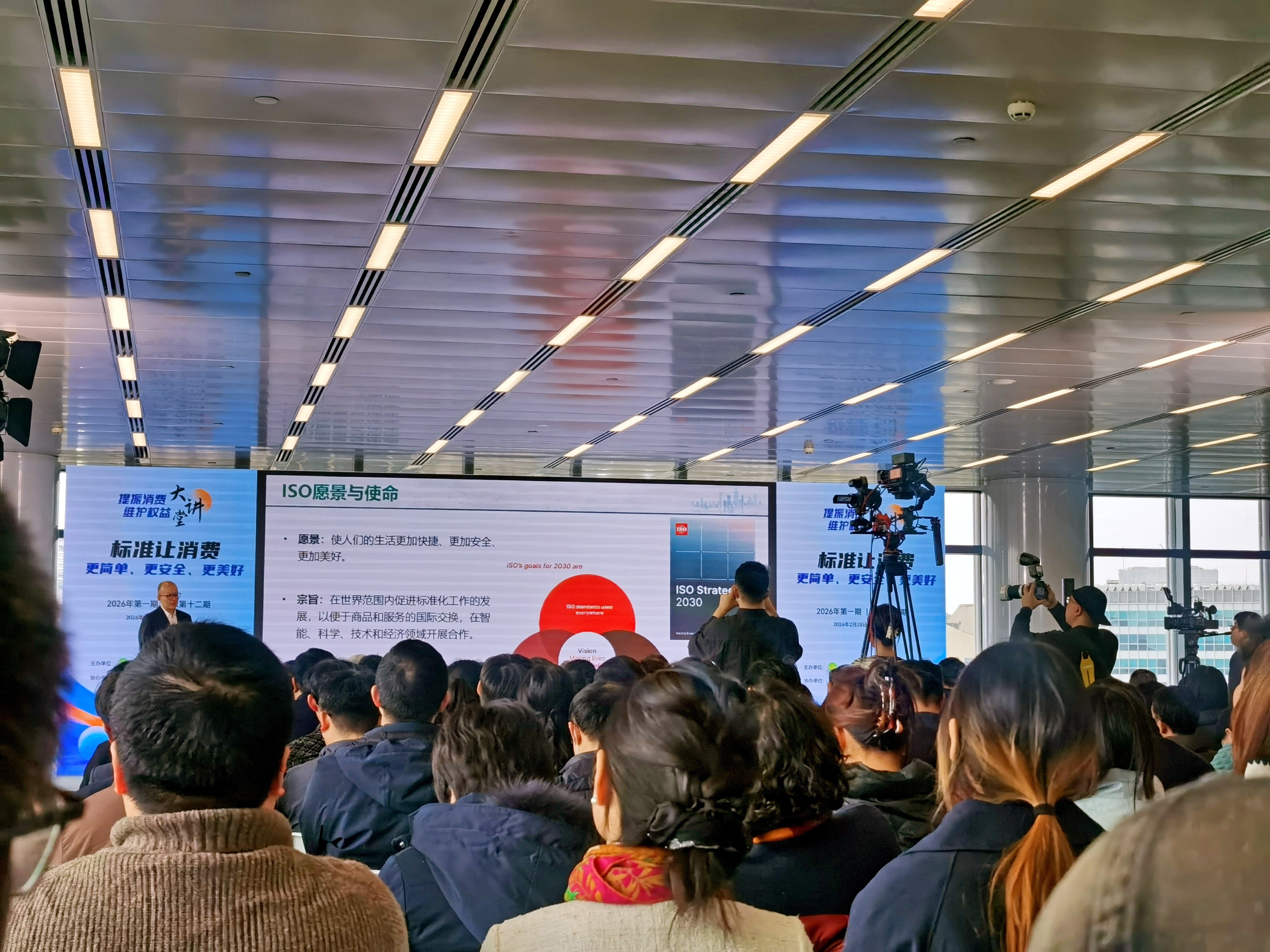
These incidents demonstrate that when standards are clear, markets function more efficiently and consumer trust improves, and when standards are absent or unclear, fraud, confusion, and distrust can emerge, the report stated.
The survey found that standards currently play a limited role in consumer decision-making. When asked what information they prioritize when purchasing products, 81.83 percent of respondents cited merchant claims and promotional materials, while 60.37 percent relied on customer reviews. Only 32.93 percent reported paying attention to applicable product standards.
The findings suggest that standards have not yet become a primary decision tool for most consumers, largely because many standards remain difficult to interpret or disconnected from real-world usage, according to the council.
At the same time, consumers expressed clear concerns about regulatory gaps. Some 68.53 percent of respondents said many emerging industries lack adequate standards, while 55.46 percent believed such gaps allow businesses to evade accountability.
Consumer experience also frequently diverges from laboratory-based performance claims. More than 81 percent of respondents reported encountering products that met technical standards but failed to deliver expected performance in actual use, either frequently or occasionally.
Examples cited in the report include electric vehicle range discrepancies in winter conditions, differences between rated and actual household appliance energy consumption, and outdoor equipment performance varying under extreme weather conditions.
These mismatches have weakened consumer trust in technical specifications and reduced the practical value of standards, the report said.
To address these challenges, the Shanghai Consumer Council called for broader participation in standard-setting, including consumer organizations, independent testing institutions, and consumer representatives.
The council said it plans to work with professional institutions to establish a system for collecting consumer feedback and translating it into technical proposals for domestic and international standards, including submissions to the International Organization for Standardization (ISO).