Districts across Shanghai will host a series of diverse themed activities in April, including psychological support workshops, tech-enabled rehabilitation platforms, community integration painting events and dedicated library reading services for autistic children, to mark the citywide Autism Care Month campaign.
The campaign aims to shift autism care from a single day of awareness to sustained and daily support, strengthening the city's comprehensive care system for autistic children and their families.
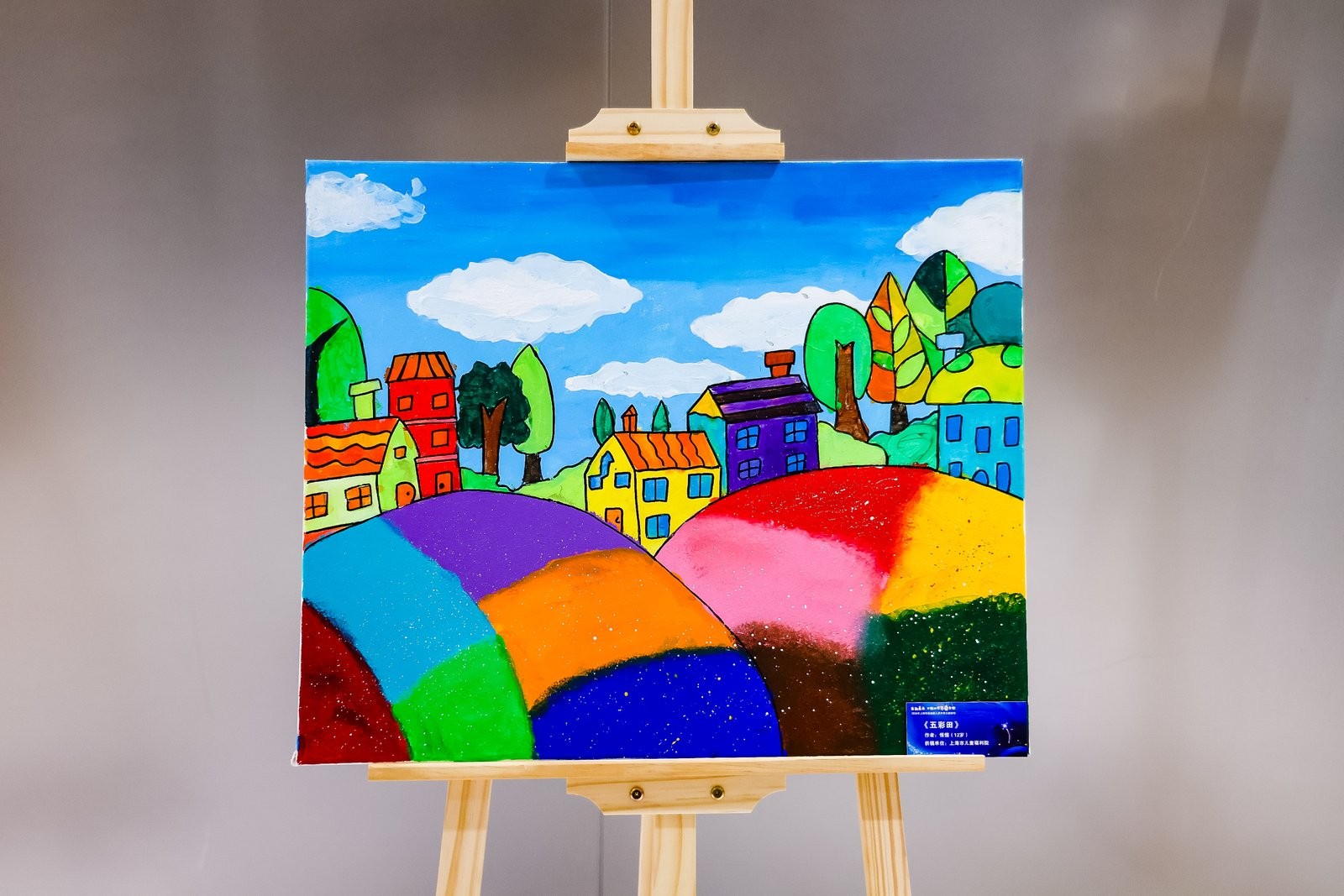
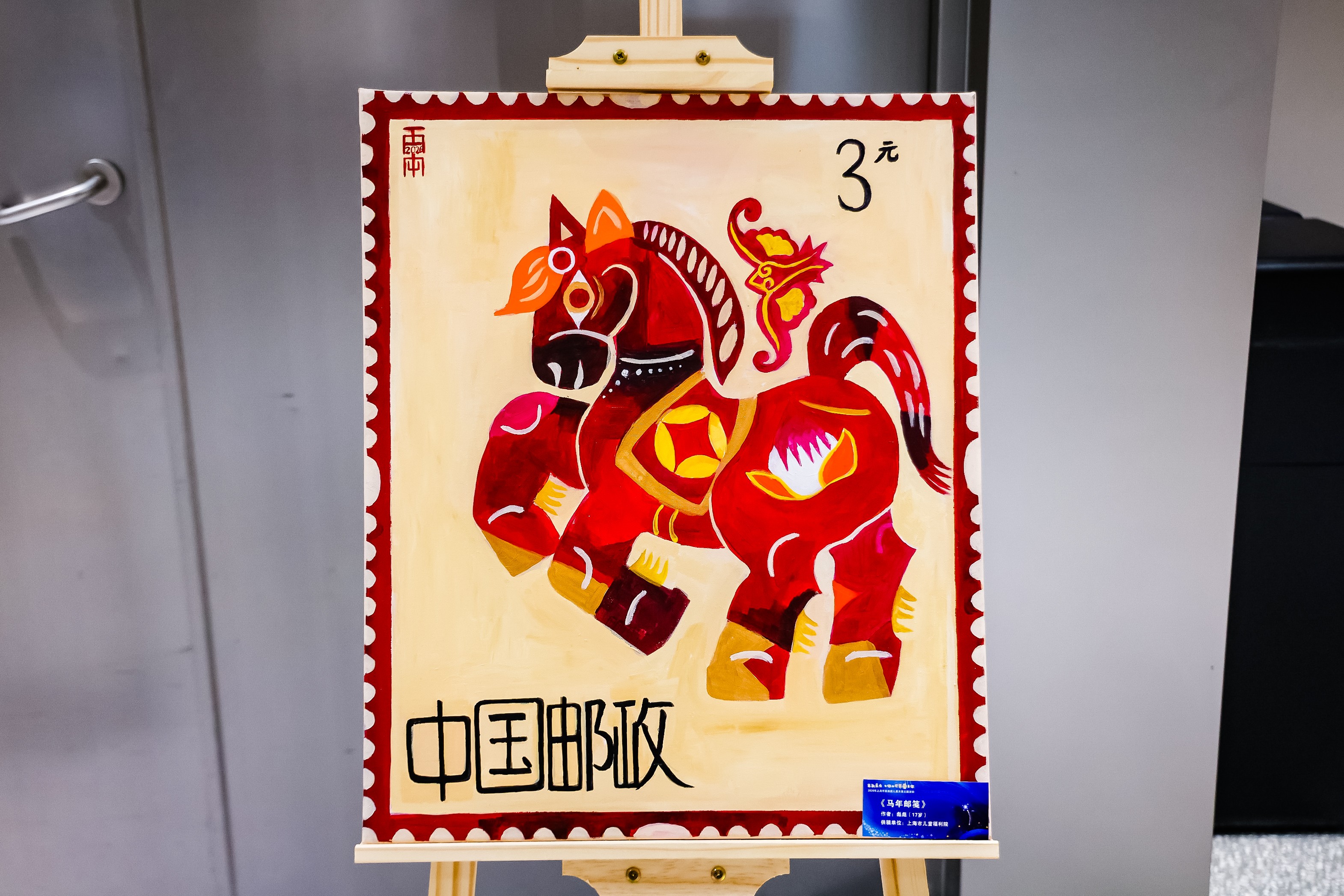
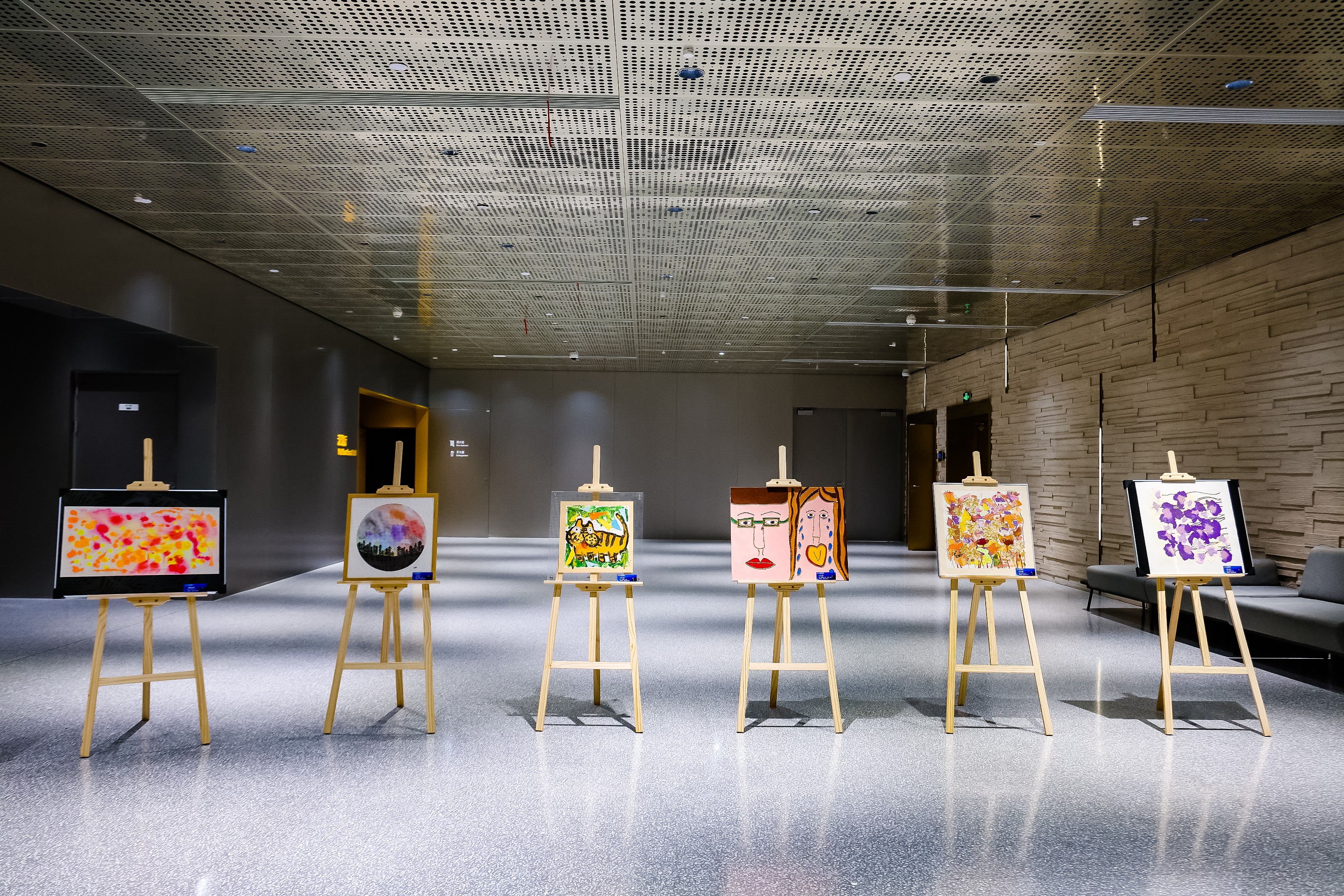
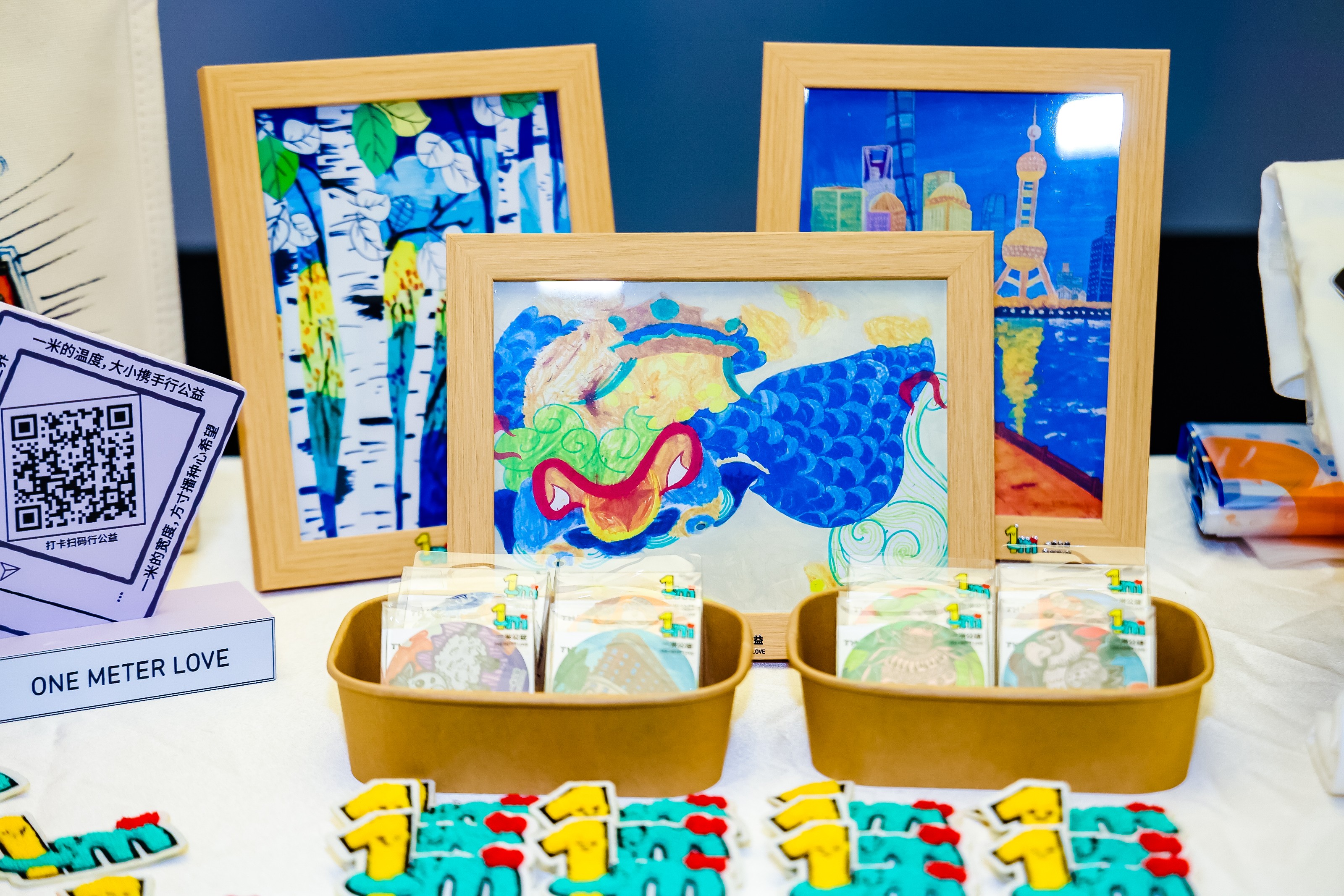
An outdoor exhibition featuring artworks created by autistic children and a charity market were held at the east branch of Shanghai Library on Thursday, displaying the unique creativity of these children and gathering public love and support.
A special gathering dedicated to children with autism, known as "children of the stars," took center stage, marking a concerted effort by multiple departments to boost care and professional support for the vulnerable group and their families.
The event opened with a touching video, offering a glimpse into the inner world of children with autism and documenting their growth and small victories. Young performers from the Shanghai Children's Home took the stage, delivering a percussion performance, and their innocent smiles conveyed hope and resilience to everyone present.
China's first specialized vocational ability assessment program tailored for practitioners providing rehabilitation services to children with autism was launched at the same time.
Led by the Shanghai Civil Affairs Bureau, the program has completed project approval and evaluation by the Shanghai Vocational Skills Appraisal Center. Designed as a practical competency yardstick rather than a theoretical exam, it focuses on service preparation, intervention training proficiency, and communication and collaboration skills.
The assessment aims to build a clear professional development path for autism rehabilitation workers in the city.
In a bid to expand participation, authorities plan to encourage 600 rehabilitation institution staffers to take the assessment this year. The program has been listed as a subsidized vocational skill initiative, with eligible participants receiving financial subsidies upon passing the assessment. The Shanghai United Foundation has also stepped in to provide training funding support for all 600 candidates.
Municipal departments rolled out a series of targeted measures to weave a tight-knit care network for children with autism, spanning early screening, education, rehabilitation and family support.
The city has established a full early screening network covering all children aged between 0 and 6, with an early screening rate of 97.91 percent in 2025. The Shanghai Health Commission has launched pilot early intervention services at 42 grassroots medical institutions, shifting rehabilitation care from hospitals to community settings.
The Shanghai Education Commission showcased the application of artificial intelligence in empowering personalized classroom learning for autistic students, introducing an integrated education model combining multidisciplinary collaboration and AI technology. The model integrates personalized assessment and intelligent teaching platforms.
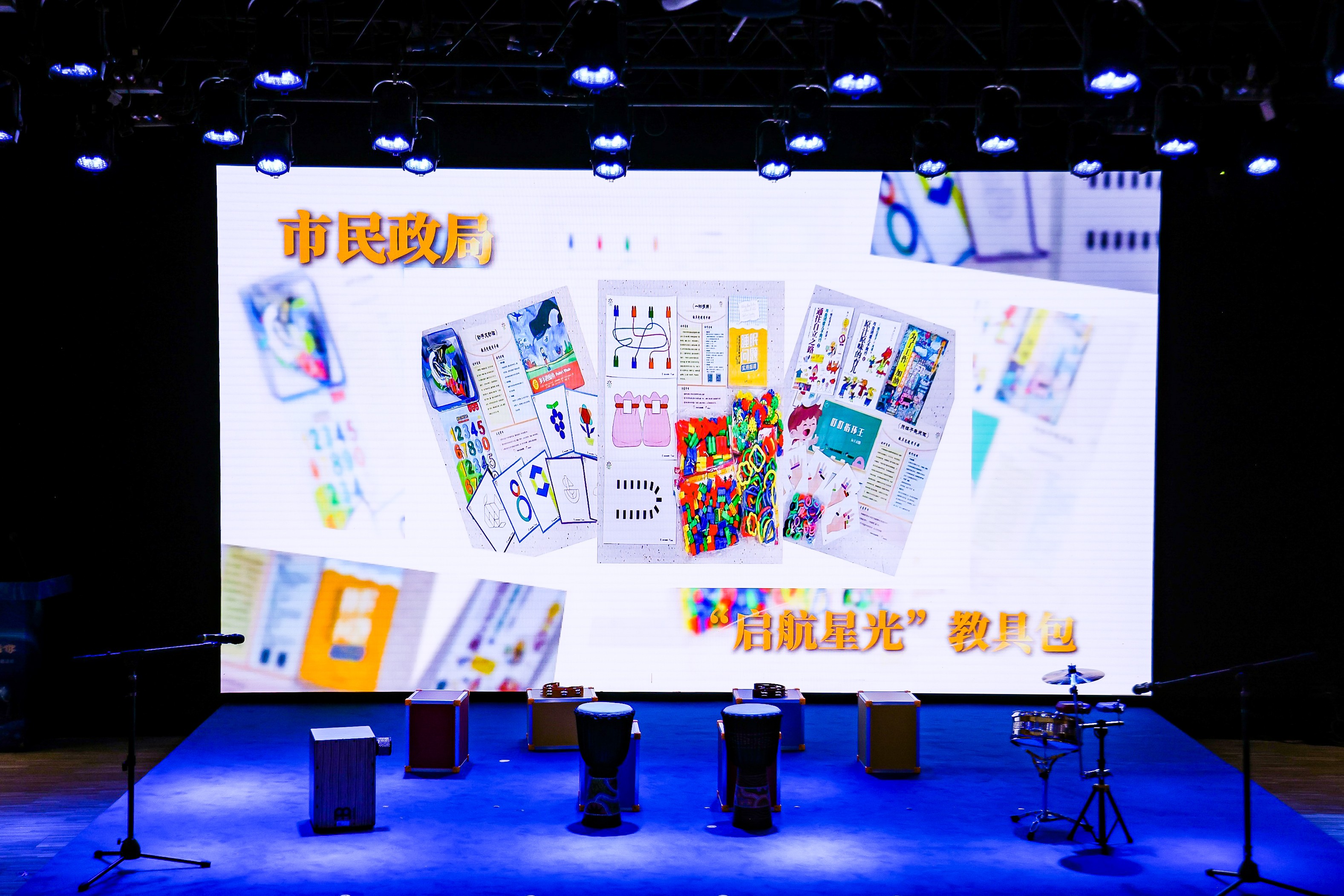
The Shanghai Disabled Persons' Federation announced a joint pilot program to monitor and evaluate autism rehabilitation institutions nationwide.
The Shanghai Women's Federation unveiled its 2026 Autism Care Plan and launched the "One Meter Public Welfare" project, calling for small acts of kindness starting from one meter around us, setting up dedicated corners in public service spaces, and building platforms for autistic children to showcase their talents and access sheltered employment.