In China, Qingming Festival, also known as Tomb-Sweeping Day, is one of the most important traditional festivals, with a history spanning more than 2,500 years. It usually falls on April 4th or 5th, marking both a solar term in the Chinese lunar calendar and a solemn cultural occasion that blends remembrance, nature appreciation and family bonding.
As a solar term, Qingming signals the arrival of mid-spring. The weather turns warm and pleasant, rainfall increases, and all living things on earth wake up from winter dormancy—trees sprout new leaves, flowers bloom, and the countryside is covered in vibrant green. This is why the festival also carries the meaning of embracing spring and celebrating the revival of nature.
The core traditional custom of Qingming Festival is tomb sweeping and ancestor worship. On this day, families travel to the cemeteries to tidy up their ancestors' tombs: they clear away weeds, wipe the tombstones, place fresh flowers, food offerings and incense, and burn joss paper (symbolizing money for the afterlife) in a respectful manner. This ritual is not only a way to express deep filial piety and cherish the memory of deceased loved ones, but also a vital link that connects family generations and passes on traditional family values.
A group memorial ceremony hosted by the Shanghai Cancer Rehabilitation Club took place on Monday at Shanghai Fushouyuan, honoring eight with a solemn, eco-friendly send-off while promoting green and public welfare-oriented burial.
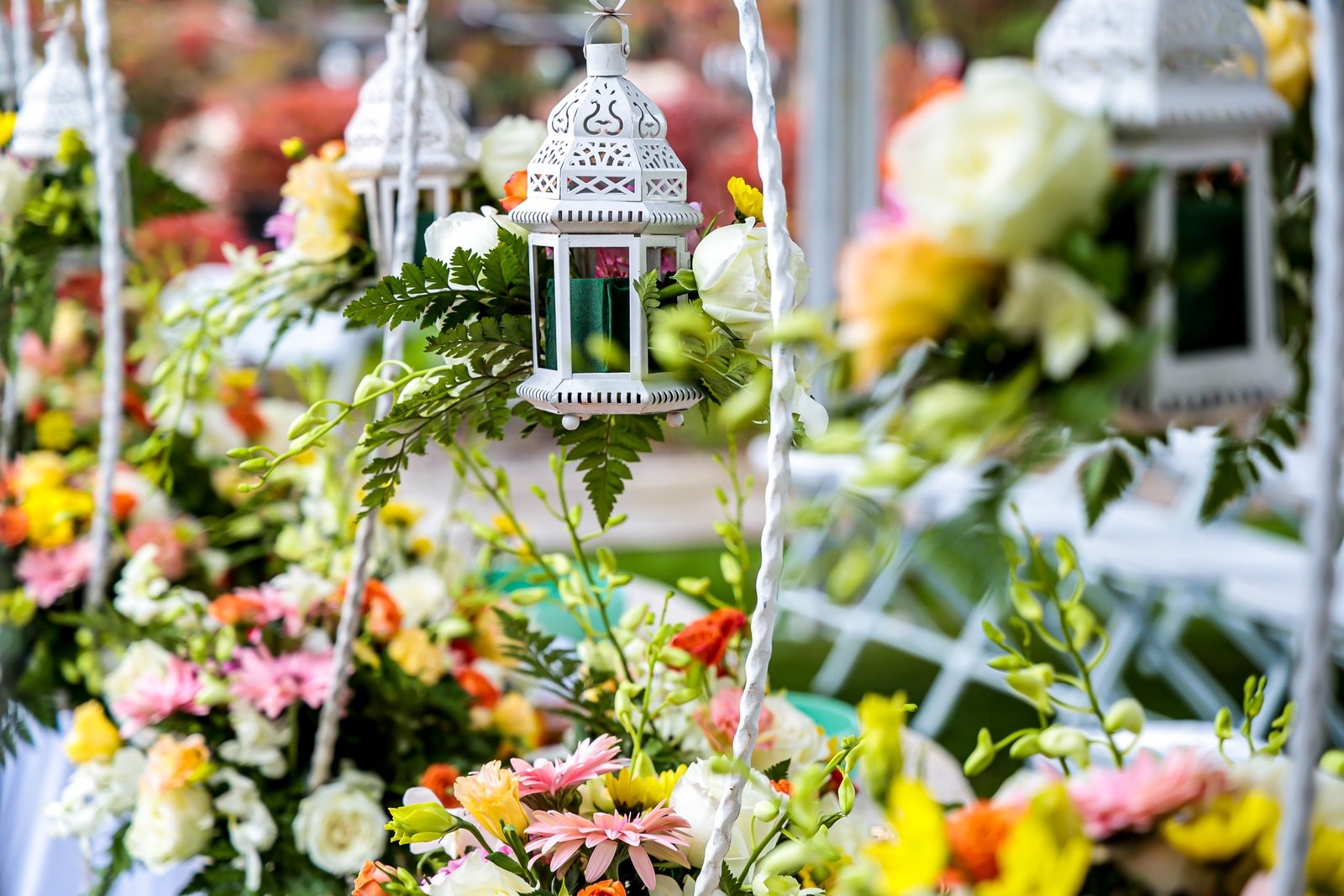
Held amid lush greenery and blooming flowers at Xi'ai Grove, the simple ceremony centered on remembering the deceased club members. The event opened with music, as attendees gathered before a life themed sculpture to recall the lives of the departed, including a 95-year-old man who faced cancer with optimism and a devoted father.
Accompanied by the melodic tune of "Farewell" played on the harmonica, family members lit lamps, washed their hands in respect, offered incense, and bid a final farewell by placing biodegradable urns into flower beds, covering them with soil and flowers.
The event focused on genuine remembrance and farewell, a choice praised by bereaved families.
"The simple and solemn ceremony well conveys our respect and longing for our loved ones," said one family member.
"Living toward death is the shared belief of our club members," said Wang Wenping, president of the Shanghai Cancer Rehabilitation Club. "Hardships of illness have only inspired us to fight for recovery and support each other. Since 2005, we have been promoting this ecological burial form, which has won wide recognition. It is a respect for the deceased, care for the living, and a responsibility to future generations."
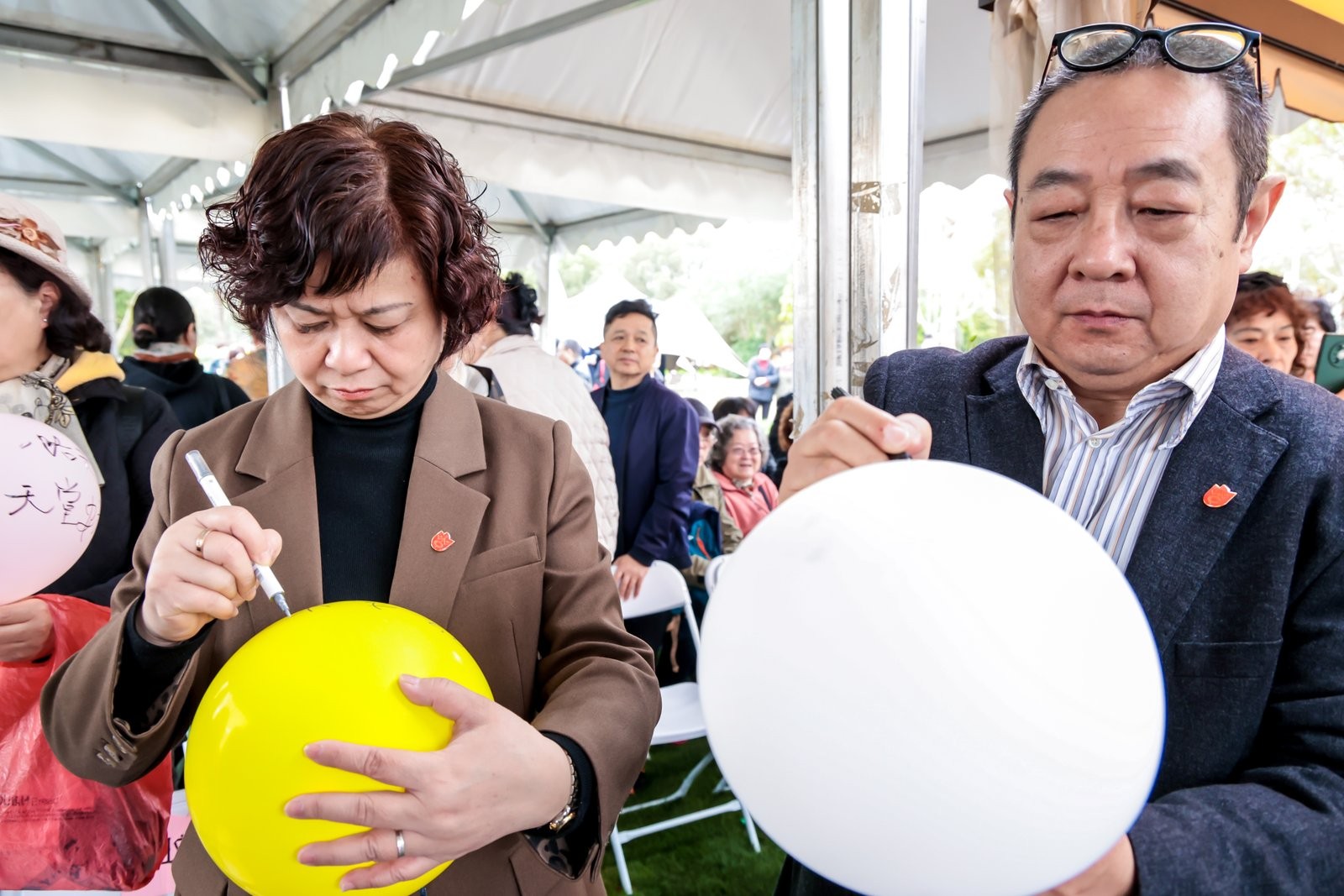
Attendees tied yellow ribbons to a wishing tree and released balloons inscribed with blessings, offering collective remembrance.