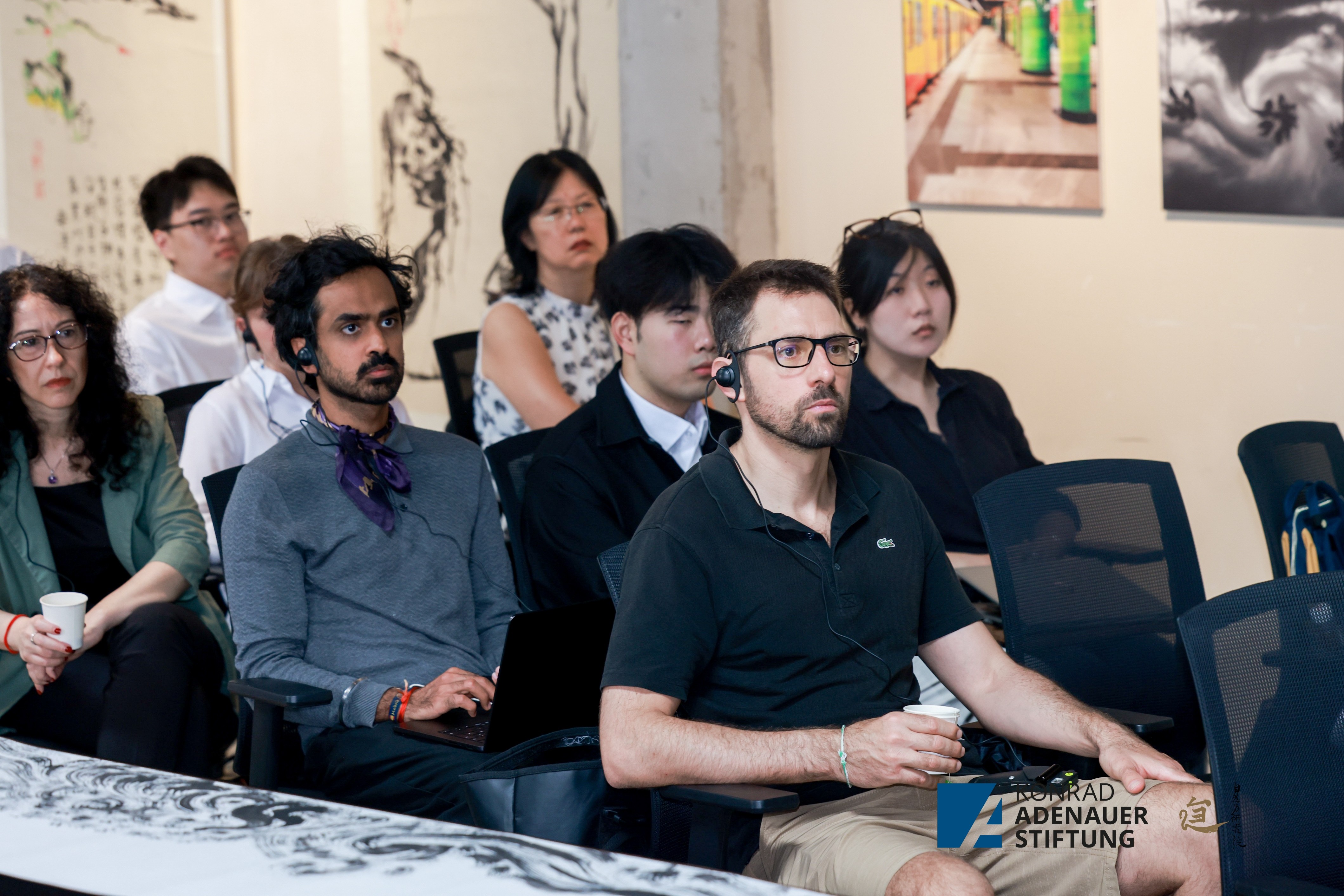
Hu Min
Experts unveiled new theories and low-cost water technology at a Sino-German forum on Friday, marking a decade of cross-border action on water governance stemming from the World Water Source Summit.
Since its founding in 2015, the summit has pioneered an action-driven, cross-disciplinary model for global water-source protection. Its co-organizer, the Oriental DANology (Design Anthropology Network ) Institute, and the Shanghai Representative Office, Konrad Adenauer Foundation (Germany) held a parallel conference in Shanghai themed "Water Risks of Proximity and Tech-based Prosperity Design."
"Thinking and sharing is important for water conservation endeavors, but not the aim, the true aim is accomplished through forceful actions and imaginative solutions," said conference organizer Dr. ZHOU Lei who is a fellow of British Royal Society of Arts, and co-founder of ODI. As the architect of World Water Source Summit thought, his reputation comes from his decade-long efforts to blend modern aesthetics with traditional influences, creating unique and impactful water conservation solutions through design anthropology and calligraphy.
The conference extended the Summit's legacy by introducing the "Event Boundary Theory," a new analytical framework that redefines water risks as multidimensional events spanning geography, culture, technology, and even outer space.
Its core premise holds that long-distance planning shapes local water action, and on-the-ground engineering reshapes distant ecological outcomes.
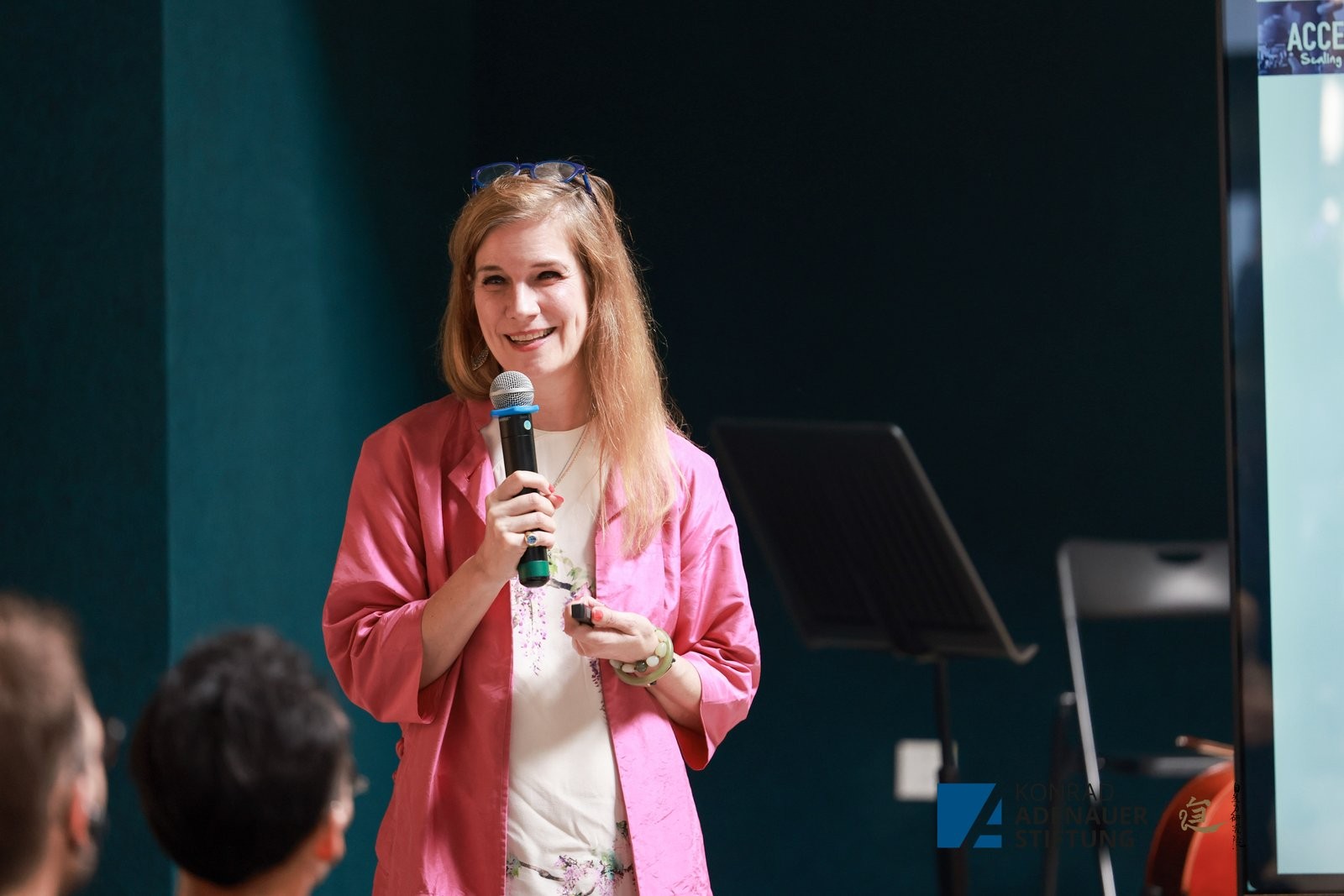
Also functioned as keynote speaker, Dr Zhou shared a comparative case on Bauhaus movement and Suzhou Gardens, focusing on the key methods and grammar of building languages which could be traced to philosophical understanding of nature, the essence of peaceful co-existence between human and more than human.
The summit began in 2015 with a project-driven model that turns academic dialogue into field projects. After a decade focusing on plateau source protection in Qinghai and Yunnan, organizers shifted focus this year to urban water challenges in the Yangtze River Delta, comparing them with similar obstacles faced by European cities.
A number of flagship breakthroughs anchored the Shanghai conference.
Sophia Slingerland, founder and CEO of SHINE Ecological Technology, presented an off-grid sanitation system that eliminates water for toilet flushing. The suite includes waterless latrines, atmospheric drinking water generators and closed greywater loops that operate without piped water, sewers or grid electricity.
Since launching the technology, SHINE has conserved 5.71 billion liters of water, cut 32,863 metric tons of carbon dioxide, and produced between 3,900 and 5,200 metric tons of organic compost.
Geologist Yang Yong unveiled a vision for the Yarlung Tsangpo hydropower project that redefines "mega" – 97 percent of facilities underground, a 40km tunnel replacing traditional high dams, and surface disruption cut by 90 percent.
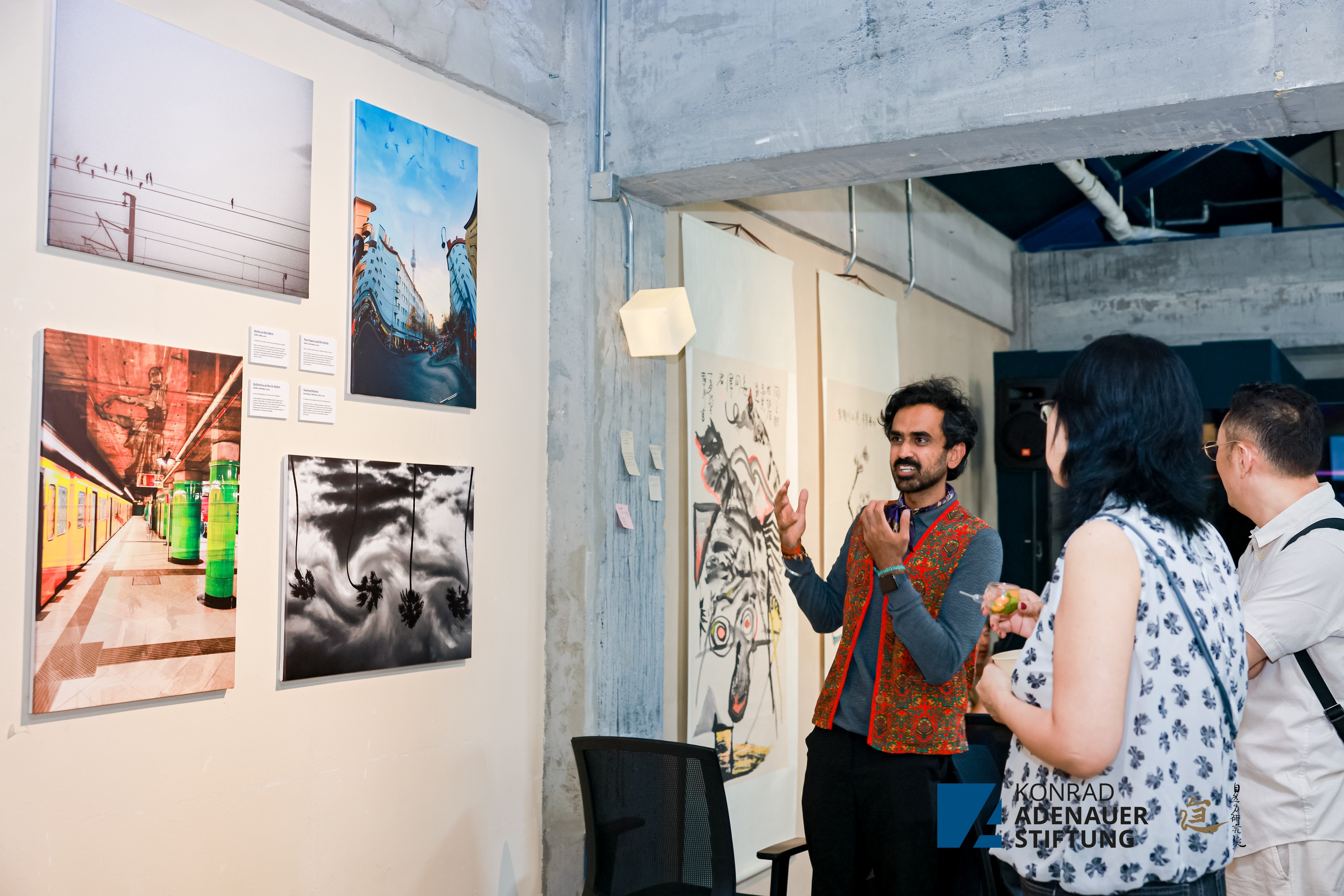
"Three percent flow impact, 97 percent underground – this redefines what 'mega-dam' means for rainforest protection."
If built, the project would slash 300 million tons of carbon emissions each year. Yang proposed a BRICS-backed data sharing mechanism with India and Bangladesh to manage transboundary flow and flood alerts.
Microbiologist Chen Zhengjun showcased the enhanced membrane biofilm reactor, or EMBR. A single eight-cubic-centimeter biocarrier cube holds 10 billion microbes, making decentralized, off-grid sanitation both affordable and instantly deployable.
The system starts operation in three days instead of four months or longer for conventional sewage plants. Wastewater treatment costs drop to less than 3 US cents per cubic meter.
Visual artist Sanyam Bajaj advocates for visual art as a policy tool – not merely illustration, but a form of "environmental witnessing" that translates complex climate data into accessible, emotionally resonant narratives.
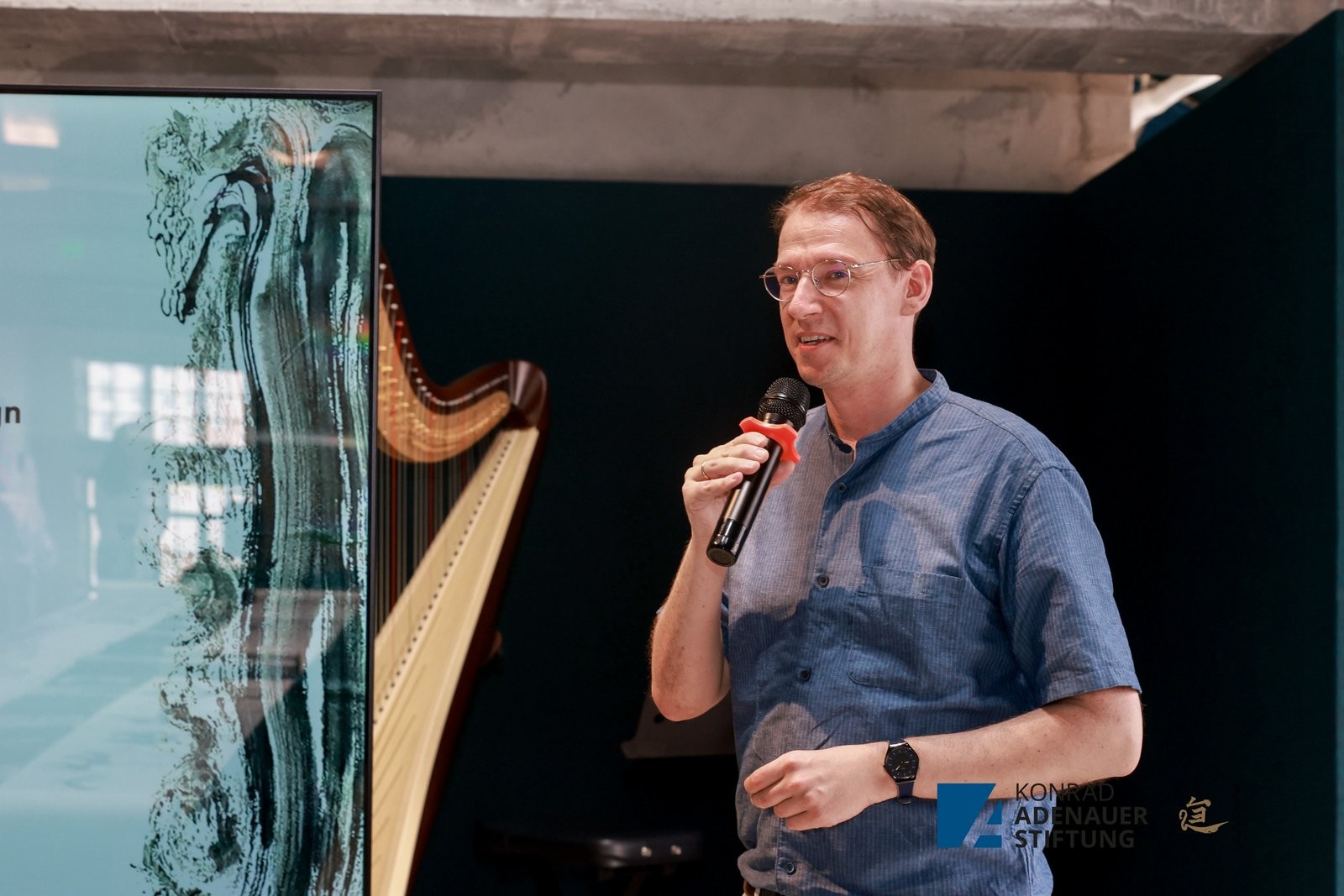
Bajaj said art can bridge the gap between scientific assessment and public and political will, especially in transboundary water contexts where trust and shared imagination are prerequisites for cooperation.
"Art doesn't replace data and it gives data a voice that policymakers can't ignore," said Bajaj.
The conference paired panel discussions with an exhibition which situated Chinese calligraphy, landscape painting and water-borne design in an Anthropocene context - a concept created by Nobel Laureate Paul Crutzen in 2000 to define human activities' negative impacts on Earth's ecosystems.
Over its 10-year history, the World Water Source Summit has delivered highland waste cleanup, eco-toilet deployment and post-quake building retrofits on the Qinghai Plateau. Its fifth annual summit launched an open-access global database for watershed conservation cases.