Five Tibetan children have received free sequential cleft lip and palate reconstructive surgeries at Shanghai Ninth People’s Hospital, thanks to joint support from two charitable funds. Covering distances of over 3,000 kilometers, the latest mission continues the hospital’s decade-long public welfare care for children living on the Qinghai‑Tibet Plateau.
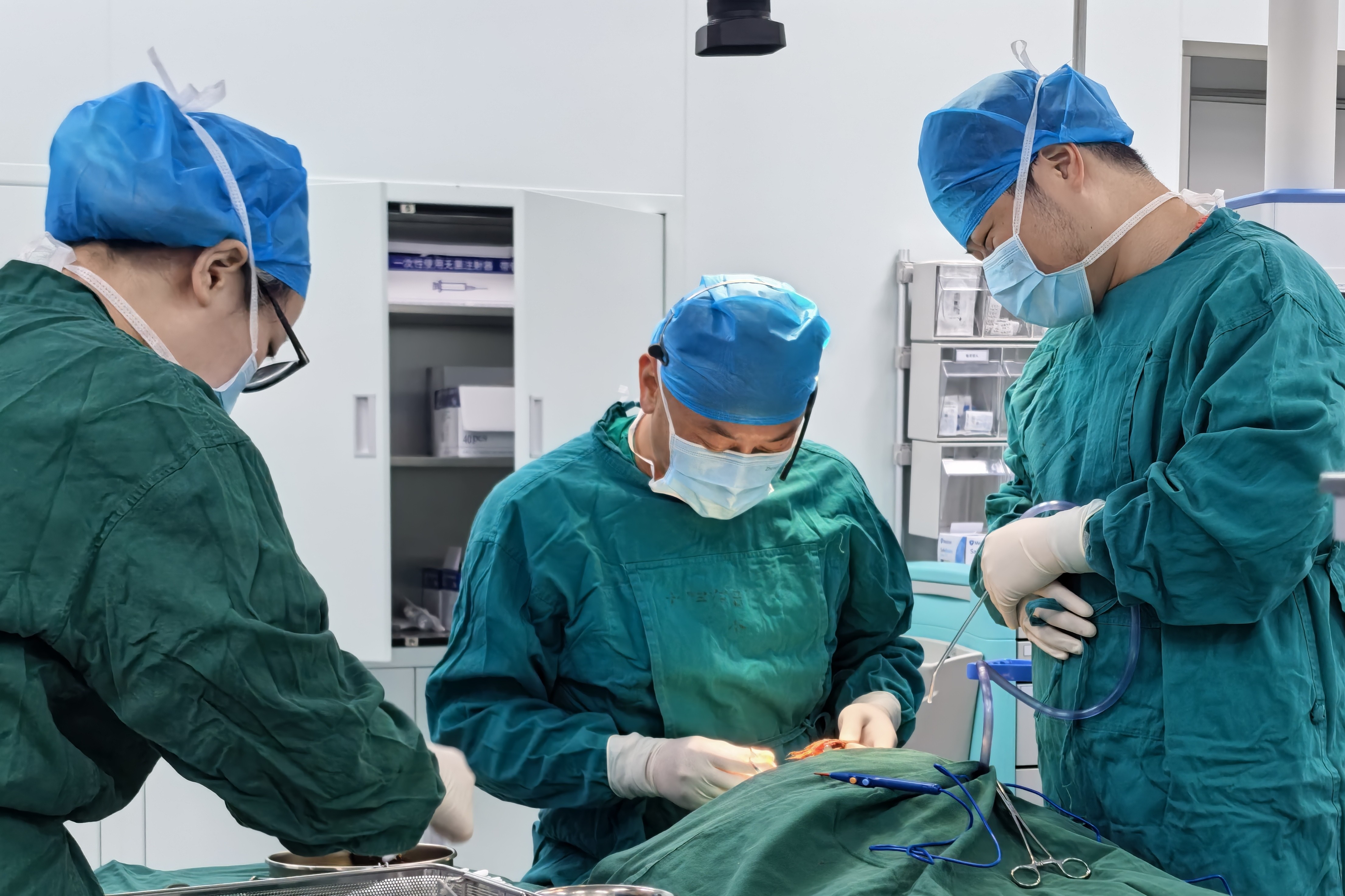
Led by Dr Cai Ming’s medical team, the hospital opened a dedicated green channel for the procedures on July 24. Two young toddlers underwent cleft palate repair supported by the Shanghai Children’s Health Foundation’s maxillofacial deformity public welfare fund, while three other patients received secondary plastic surgeries sponsored by the hospital's Boteli Foundation.
All five children are long-term follow-up recipients of the hospital’s persistent charity program. For more than 10 years, the hospital has offered full free treatment, hospitalization and rehabilitation for underprivileged children with craniofacial deformities, establishing a complete lifelong sequential treatment system from primary repair to secondary cosmetic and functional reconstruction.
The latest surgeries carry touching long-term medical stories spanning years. The two youngest patients received their first cleft lip repair in 2025 and returned this year for crucial secondary palate reconstruction. An 18‑year‑old Tibetan student underwent rhinolabial reconstruction to improve both appearance and speech, supporting her dream of becoming a local doctor.
A pair of twin siblings completed their eight-year staged treatment journey. First operated on during Cai’s 2018 Tibetan charity mission, the twins received systematic remote rehabilitation guidance over the years before finishing their final corrective surgeries in Shanghai this month.
The treatment process also served as an international clinical teaching platform. International students from Shanghai Jiao Tong University Summer International School observed live surgeries and attended an English narrative medicine lecture, gaining firsthand experience of China’s humanitarian medical aid.
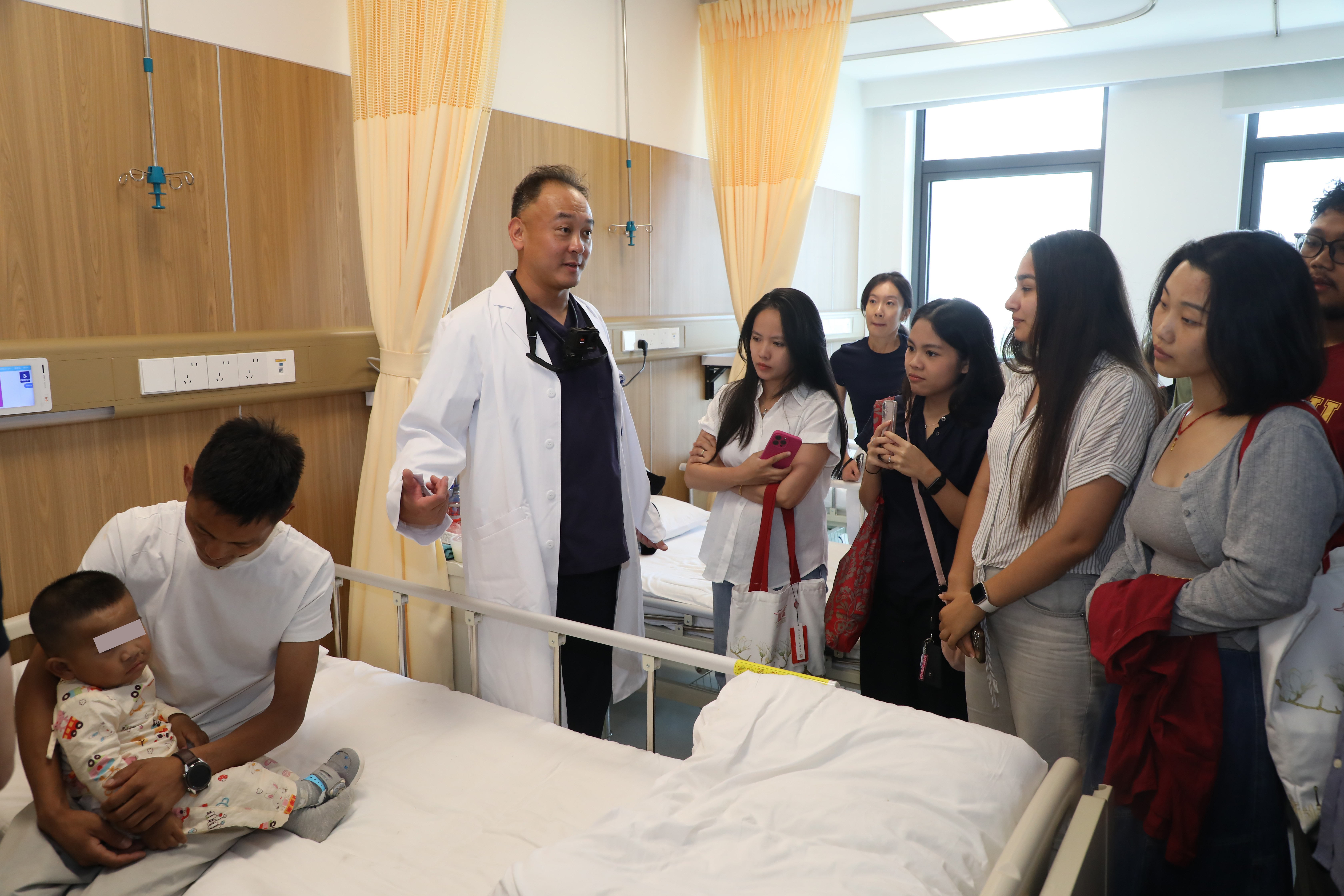
All five operations were completed successfully, with the children in stable condition receiving professional postoperative and psychological care.
According to hospital president Wang Xudong, the hospital integrates charitable treatment, humanistic education and international medical training. It has upgraded traditional one-way border medical assistance into a sustainable model featuring full-cycle treatment, long-term follow-up and global academic exchange. The hospital will continue deepening Shanghai-Tibet medical collaboration to benefit more plateau children with standardized, warm-hearted public welfare services.