A major clinical breakthrough in cell therapy has been achieved in China. Through in‑depth collaboration between the Shanghai Cord Blood Bank and Ruijin Hospital, researchers have made phased progress in translating universal cord blood‑derived CAR‑T therapy into clinical practice.
Leveraging cord blood’s strong capacity for immune amplification, this innovative approach effectively addresses two major bottlenecks in current cell therapy: high treatment costs and limited accessibility. It offers new hope for patients with relapsed and refractory hematological malignancies.
The milestone achievement represents a successful model of integrated industry‑university‑research‑medical innovation, proving China’s competitive strength in cutting‑edge global cell therapy research, experts told the National Seminar on Collaborative and High‑Quality Development of China’s Cord Blood Industry, alongside the 22nd China Summit on Cord Blood Transplantation and Medical Ethics, in Shanghai. Representatives from China’s seven official cord blood banks jointly issued industry proposals to standardize and upgrade national cord blood services.
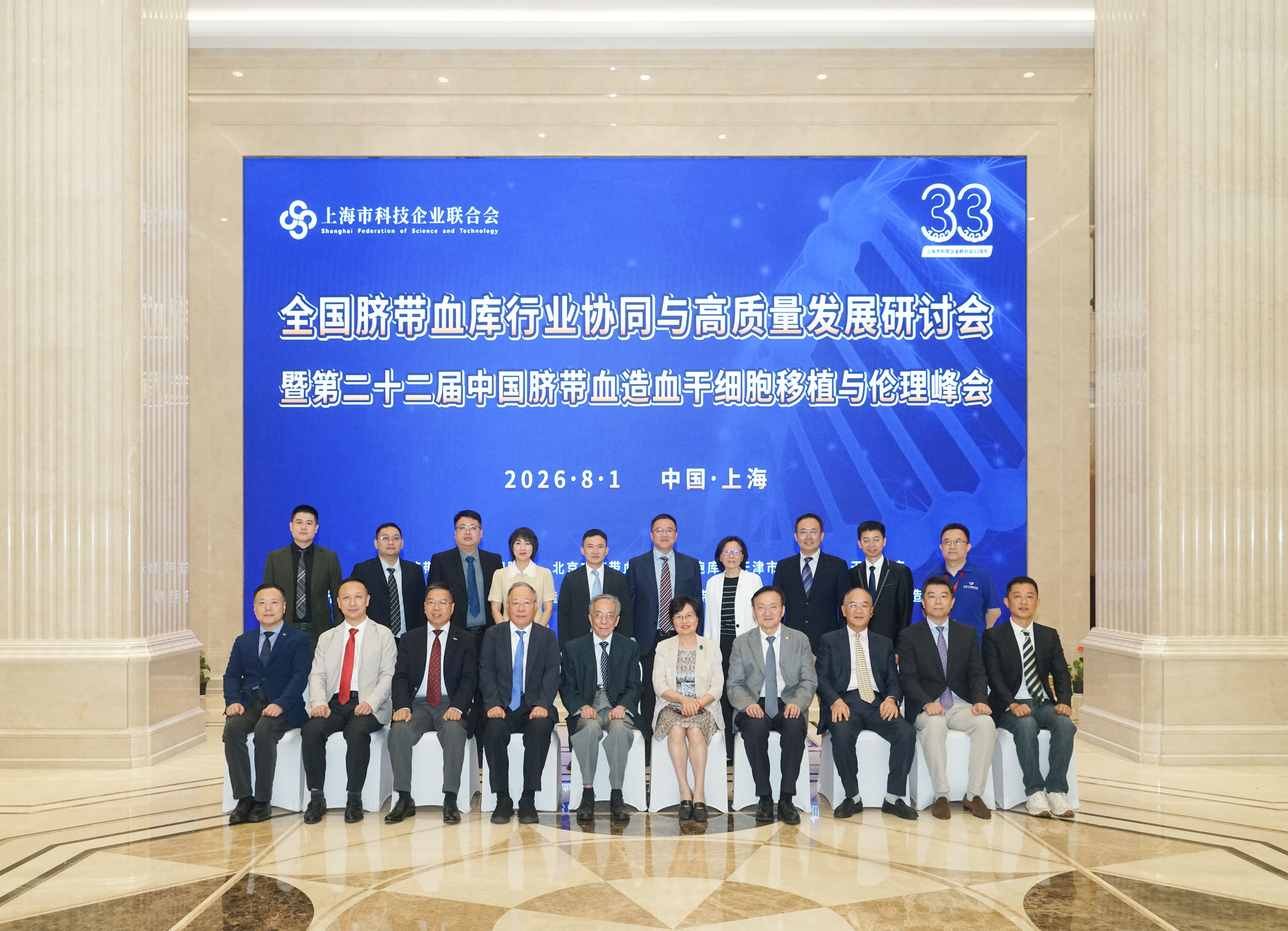
Experts called for integrating cord blood education into routine prenatal counseling, ensuring expectant parents receive complete and scientific information before making decisions. To strengthen industry regulation, the community urged advancing from administrative rules to national specialized legislation, formally defining cord blood as a strategic biological resource. The seven banks also proposed unified national publicity campaigns on key health occasions to raise public awareness of cord blood’s clinical value.
To improve public accessibility, participants suggested exploring policy pathways to include partial cord blood preservation fees within the national medical security system. The initiative aims to benefit more families, especially low‑ and middle‑income households. The conference also discussed the feasibility of establishing a national egg bank to better protect women’s reproductive rights and support patients with age‑ or disease‑related infertility.
In response to urgent clinical needs, experts highlighted critical logistical challenges. Similar to organ donation, cord blood transportation requires strict timeliness. However, inconsistent airline and railway safety regulations, lacking unified reporting platforms, often cause delivery delays that compromise patient treatment outcomes. Authorities were advised to build a dedicated national green channel for cord blood delivery, with unified security standards and a shared nationwide information platform to guarantee fast, safe transportation, according to Zhang Yi, member of the Standing Committee of the Shanghai Committee of the Chinese People's Political Consultative Conference and Legal Representative of Shanghai Cord Blood Bank.
With over three decades of development, China’s cord blood industry has accumulated more than 2.45 million preserved cord blood units, with over 50,000 units deployed for clinical use. The therapeutic scope has expanded from traditional blood disorders such as leukemia and aplastic anemia to nearly 80 diseases, including immune deficiencies, inherited metabolic disorders, and certain neurological conditions. Nationwide, the stable engraftment rate of cord blood transplantation has exceeded 97%, delivering reliable curative outcomes for patients with hematological diseases and rare disorders.
By uniting national resources, standardizing technical protocols, and sharing clinical experience, China’s seven cord blood banks are building a unified collaborative system. The integration marks a pivotal shift from decentralized operation to nationwide coordinated development. With unified standards, shared resources, and innovative clinical translation, China’s cord blood industry is poised to maximize the public welfare value of life‑saving biological resources and drive high‑quality progress in national life sciences and public health.