Over 30 maternal‑and‑child‑health professionals and public‑health administrators from Asia, Africa and Latin America gathered in Shanghai for an international training program on standardized cervical cancer screening, early diagnosis and treatment.
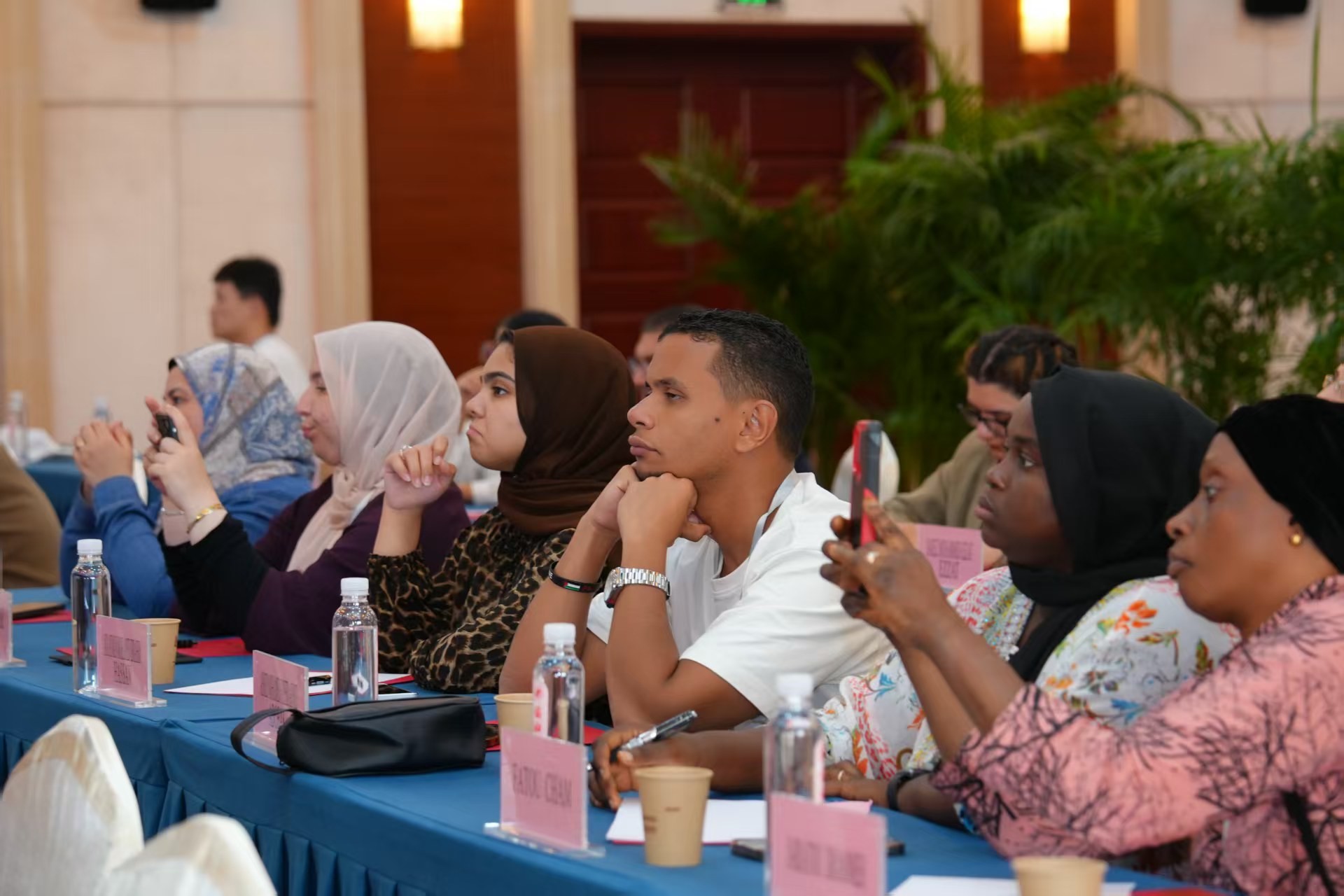
Held from August 5 to 7, the event was organized by the National Health Commission of China and co‑hosted by the International Peace Maternity and Child Health Hospital. It seeks to advance the coordinated global development of maternal and child health.
Cervical cancer remains a major threat to women’s health across low‑ and middle‑income countries. Many developing regions struggle with inadequate screening coverage, limited early‑diagnosis capabilities, non‑standardized clinical protocols and shortages of skilled workforce — factors that keep morbidity and mortality rates stubbornly high. Addressing these global health inequities, the training serves as a practical international‑cooperation platform for technical empowerment, knowledge sharing and capacity‑building.
Wang Yudong, president of the hospital, stressed that narrowing global maternal‑health gaps and empowering developing nations constitute one of the institution’s key international missions. “We hope to break down technical barriers and share China’s mature, cost‑effective and scalable cervical‑cancer prevention models tailored for resource‑constrained settings,” he noted.
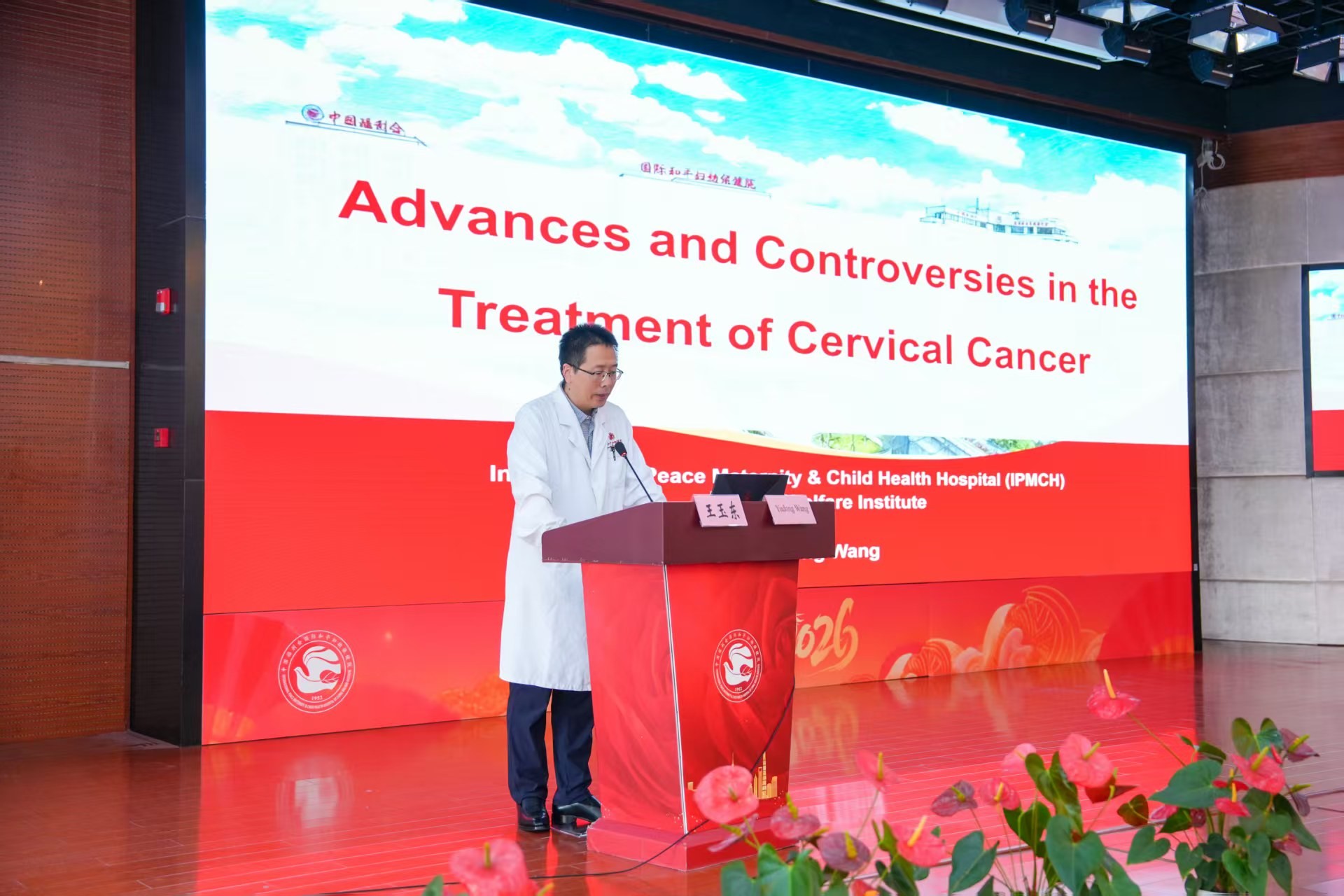
The hospital has built a full‑cycle prevention‑and‑control system encompassing population‑level screening, precise diagnosis, minimally‑invasive treatment and long‑term follow‑up, yielding a replicable Chinese solution for women’s cancer prevention worldwide.
The training employed a multi‑faceted teaching approach integrating theoretical lectures, hands‑on drills, community site visits and one‑on‑one mentoring. Centered on grassroots applicability, experts shared standardized screening workflows, colposcopic diagnostic skills, intervention strategies for early‑stage lesions, and insights into public‑health system development, equipping international participants with locally adaptable clinical know‑how.
Assel Zhanabayeva, an oncologist from West Kazakhstan Marat Ospanov Medical University, commended China’s systematic prevention framework. She remarked that this standardized, accessible model effectively resolves local bottlenecks including fragmented techniques and poor screening efficiency.
This flagship national international‑health‑cooperation project showcases China’s expertise in standardized maternal‑health governance. Officials with the National Health Commission stated that the International Peace Maternity and Child Health Hospital will keep fostering global exchange channels, disseminate proven Chinese healthcare experience, and contribute to high‑quality, equitable progress in global maternal‑and‑child‑health initiatives.