Fudan University Shanghai Cancer Center officially launched its new Minimally Invasive Diagnosis and Treatment Center after a period of trial operation. As Shanghai’s first comprehensive platform featuring upgraded minimally invasive technical closed-loop systems, interdisciplinary integration, and full-cycle patient management, the center delivers a seamless one-stop care model covering precise endoscopic diagnosis, neoadjuvant therapy, and minimally invasive surgery.
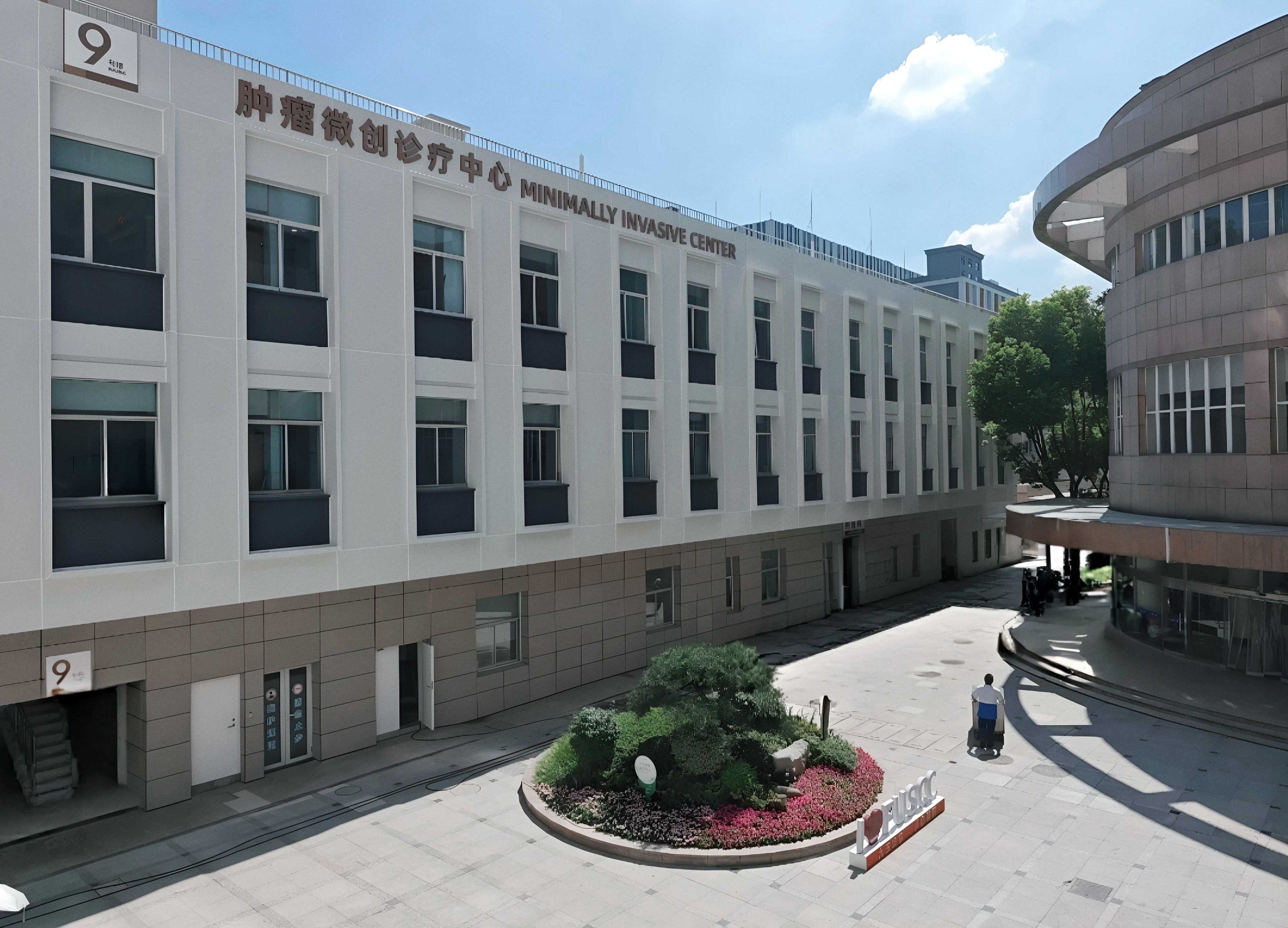
With oncology shifting toward precision, minimal trauma, and rapid recovery, fragmented multi-department treatment has long increased patients’ time costs and medical burdens. The new center has built a specialized inpatient ward with 94 beds on the Xuhui Campus, assembling cross-disciplinary teams to break traditional departmental barriers.
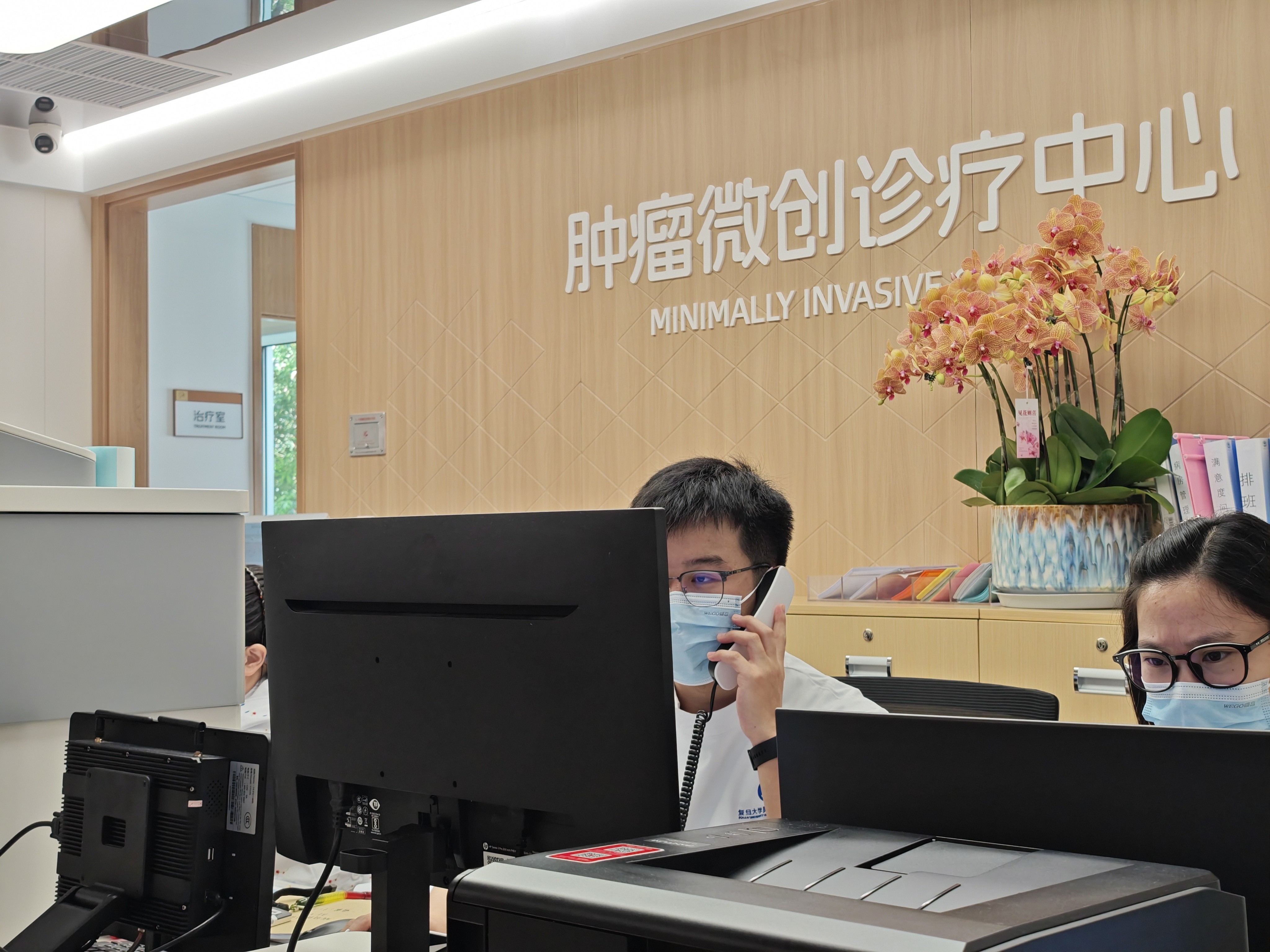
According to Dr Yu Xianjun, the hospital president, the new center's core advantage lies in centralized, integrated care. “Patients no longer need to visit multiple departments or consult different specialists. Our one-stop model streamlines the entire treatment process and greatly optimizes medical experience,” he explained.
Targeting complex and refractory tumor cases that cannot be treated by a single department, the center focuses on high-difficulty hepatobiliary and pancreatic tumors, a key frontier in oncology. During the trial operation period, the team successfully rescued a 57-year-old pancreatic cancer patient with severe intestinal obstruction. Through rapid cross-department collaboration between pancreatic surgery and endoscopy, the life-threatening multi-segment intestinal obstruction was relieved within 30 minutes, reversing the patient’s critical condition.
The center adopts a tiered precision treatment strategy for tumors of different stages. For early-stage cancers, it enables radical cure via endoscopic early screening and minimally invasive resection. For advanced and refractory tumors, integrated minimally invasive interventions effectively relieve symptoms, prolong survival, and improve quality of life. During the trial phase, nearly 10 cases of dual-endoscope combined surgery for duodenal tumors were completed, achieving radical tumor resection with minimal physical damage and accelerated postoperative rehabilitation.
Beyond clinical breakthroughs, the center undertakes the mission of standardizing and popularizing minimally invasive tumor treatment nationwide. Relying on its municipal training base qualification, it will build a national-level minimally invasive medical training platform. The center will carry out regular clinical training, academic exchanges, and technical demonstrations, establishing a talent cultivation network covering the Yangtze River Delta and the whole country.
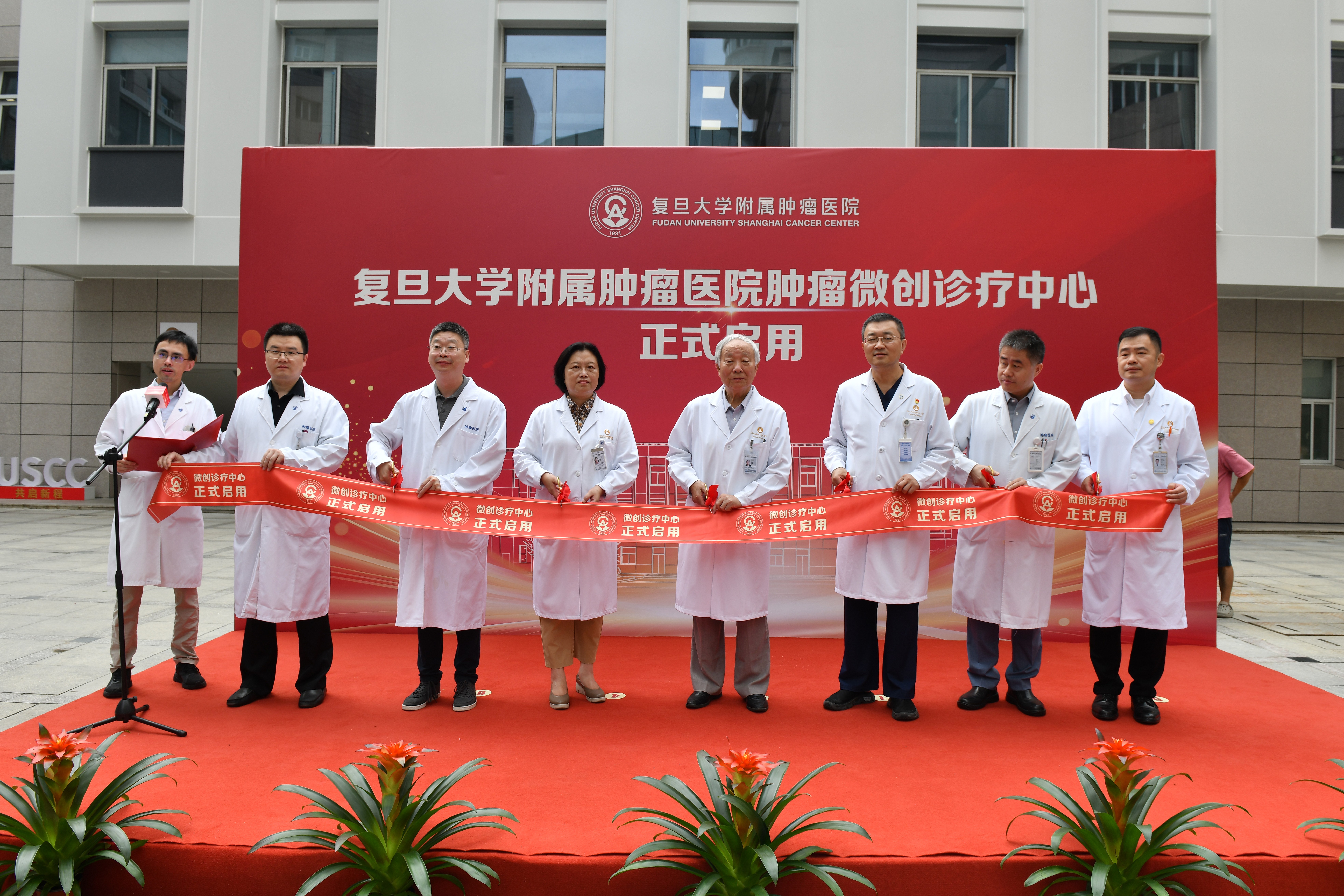
Yu emphasized that the center aims to export standardized diagnosis and treatment protocols and cultivate professional medical talents. By promoting homogeneous development of domestic minimally invasive oncology and empowering grassroots medical capabilities, it enables patients across China to access Fudan-level high-quality minimally invasive treatment locally. Meanwhile, continuous technological innovation and interdisciplinary integration will further support the high-quality development of the national cancer medical center.