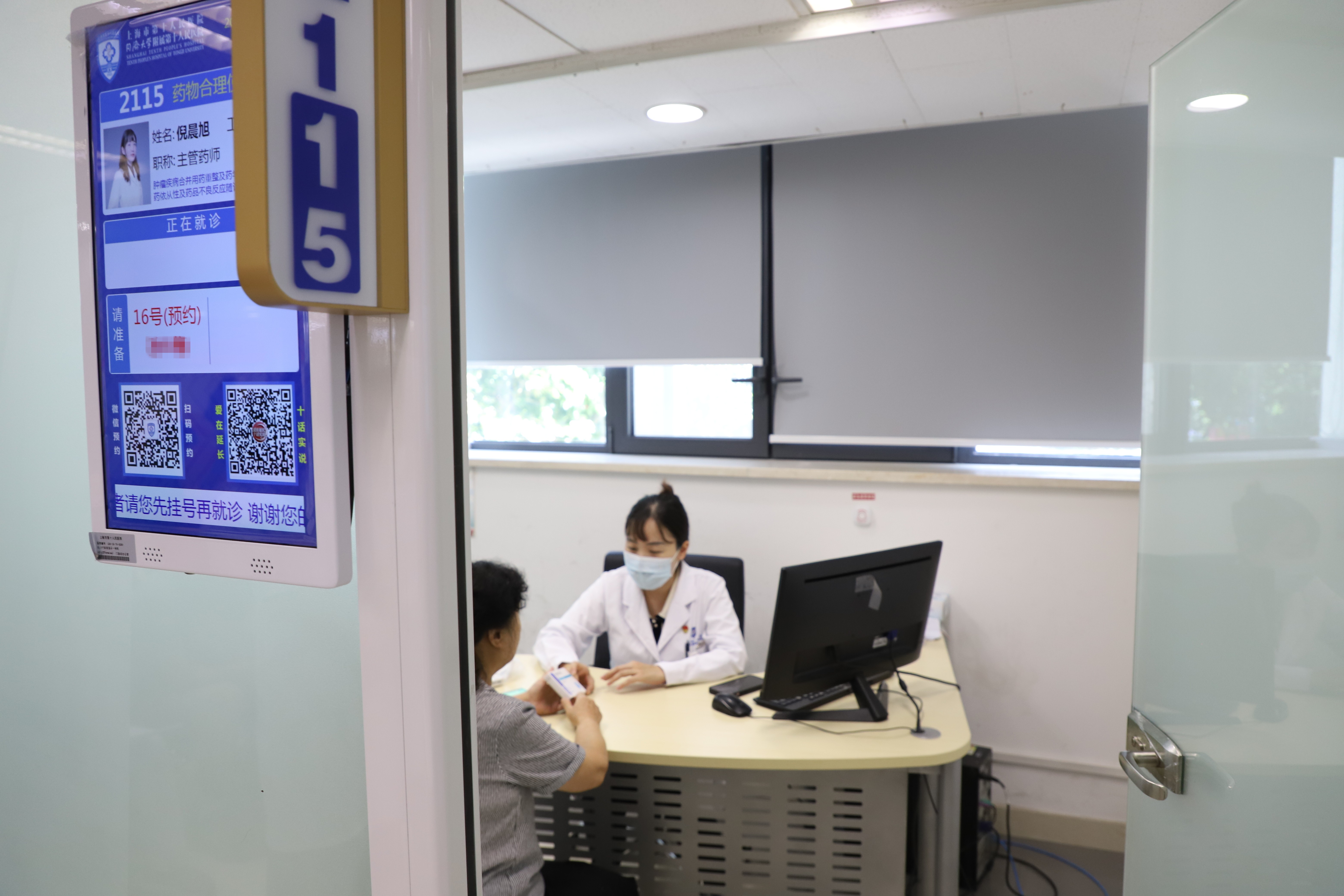
A professional Rational Medication Consultation Clinic has officially opened at the Department of Clinical Pharmacy, Shanghai Tenth People’s Hospital. Staffed by experienced clinical pharmacists on duty every weekday, the new clinic provides one-stop specialized pharmaceutical services, covering medication evaluation, professional drug consultation, personalized medication education and scientific dosage adjustment suggestions.
Medication conflicts and unknown drug side effects are common hidden dangers in daily treatment. Different from general medical consultations, this professional pharmacy clinic focuses on solving various medication-related problems, accurately identifying and handling adverse drug reactions, and effectively guaranteeing the smooth progress of clinical diagnosis and treatment.
Many patients have benefited from the professional service, including a patient diagnosed with endometrial cancer. After a successful operation, the patient developed extensive itchy skin rashes on the 10th day of postoperative chemotherapy and immunotherapy. She mistakenly judged the symptom as a common drug allergy and took over-the-counter anti-allergy drugs by herself. Although the itching was relieved, the rash did not subside. Fearing that the adverse reaction would interrupt her anti-tumor treatment, she turned to the pharmacy clinic for help.
After carefully checking her medical records and medication history, the clinical pharmacist confirmed that the skin problem was an immune-related adverse reaction triggered by monoclonal antibody drugs, rather than an ordinary allergy. With standardized short-term glucocorticoid medication guidance, the patient’s rash faded rapidly, and she was finally allowed to continue her follow-up chemotherapy and immunotherapy without interruption.
Children, as a vulnerable group in medication use, are key service targets of the clinic. Due to immature physiological development, children’s drug absorption, metabolism and tolerance are vastly different from adults. Simply halving adult doses for children is extremely unsafe and unscientific.
A typical case involved a 7-year-old boy who suffered from diarrhea due to improper diet and cold intake during summer vacation. His grandmother gave him norfloxacin based on old life experience. After learning about this, the boy’s mother was extremely worried, as the drug is known to affect children’s cartilage development and hinder growth. The anxious grandmother took the child to the pharmacy clinic immediately for remedies.
The professional pharmacist reassured the family that long-term improper use of fluoroquinolones may cause cartilage damage, while occasional single use rarely leads to adverse impacts. The pharmacist also offered scientific medication guidance for children’s diarrhea, eliminating the family’s worries completely.
Shen Fuming, director of the Department of Clinical Pharmacy at Shanghai Tenth People’s Hospital, reminded the public of five high-risk groups that need professional medication guidance: patients taking multiple drugs simultaneously, long-term medication users with chronic diseases, special groups including children, pregnant and lactating women, and patients with liver or kidney insufficiency, people with suspected drug adverse reactions, and patients taking drugs with narrow safety dosage windows and obvious individual metabolic differences.
Professional pharmaceutical intervention can effectively avoid blind medication and reduce treatment risks. The newly opened pharmacy clinic aims to standardize household medication habits, resolve various medication puzzles, and help patients receive safe and standardized medical treatment.