Li Qian
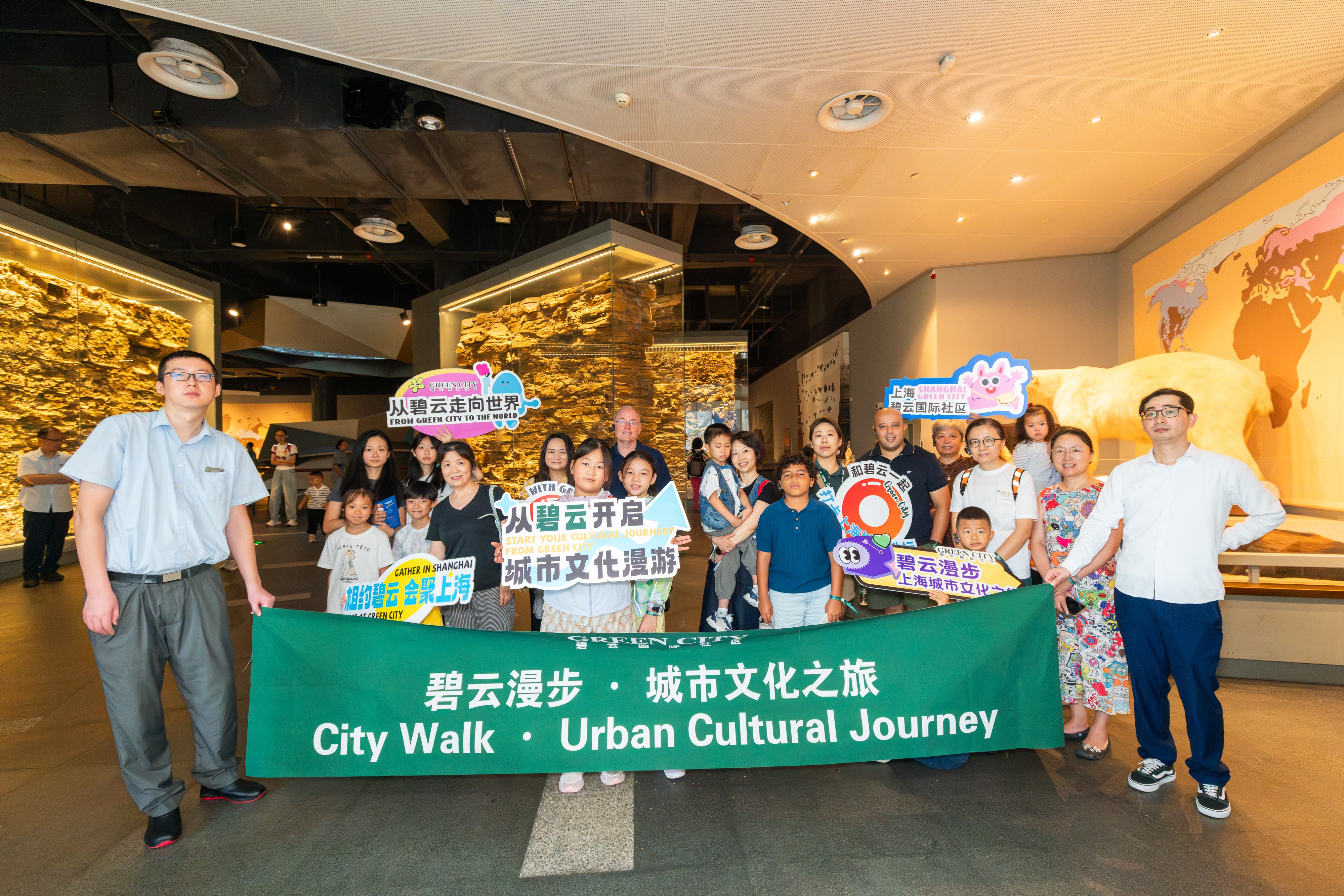
A polar bear specimen has reunited with some of its former neighbors in Shanghai — seven years after leaving the community where it had become a familiar local landmark.
Last Sunday, nearly 100 Chinese and international residents of Pudong’s Biyun International Community, also known as Green City, visited the Shanghai Natural History Museum to see Funny Bear once again.
The bear has a long history with the community. Donated by a Canadian company in the 1990s during the development of Biyun, the specimen spent nearly two decades at the community’s clubhouse, becoming one of its most recognizable symbols and witnessing the growth of the surrounding Jinqiao area.
In October 2019, Golden Bridge, the developer of Biyun, donated Funny Bear to the museum for public display. Specialists spent nearly two months restoring the specimen, including cleaning, repairing its face and other damaged areas, treating its fur and remounting it.
Funny Bear went on public display at the museum on January 16, 2020. Standing nearly 3 meters tall, it has since become a popular attraction.
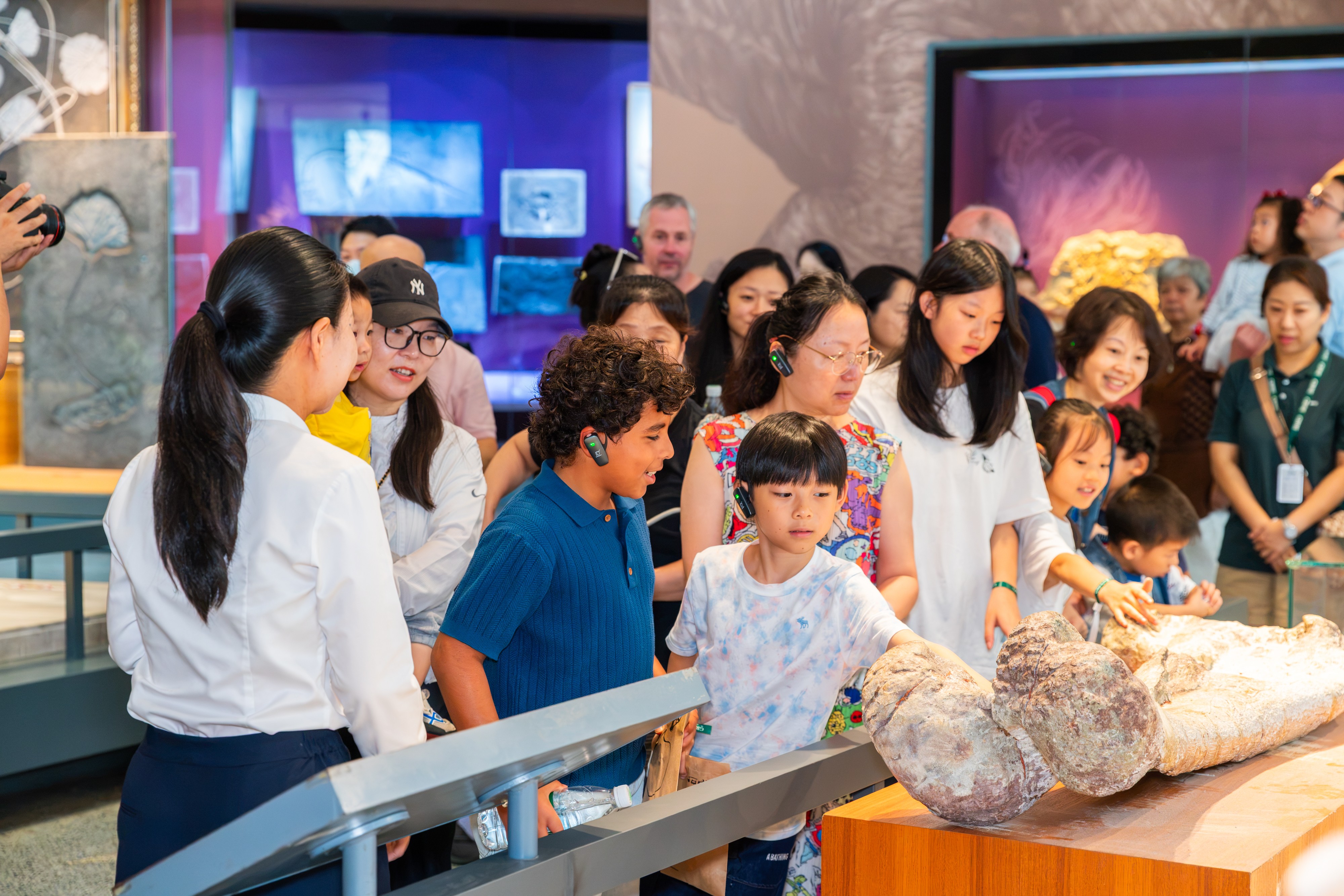
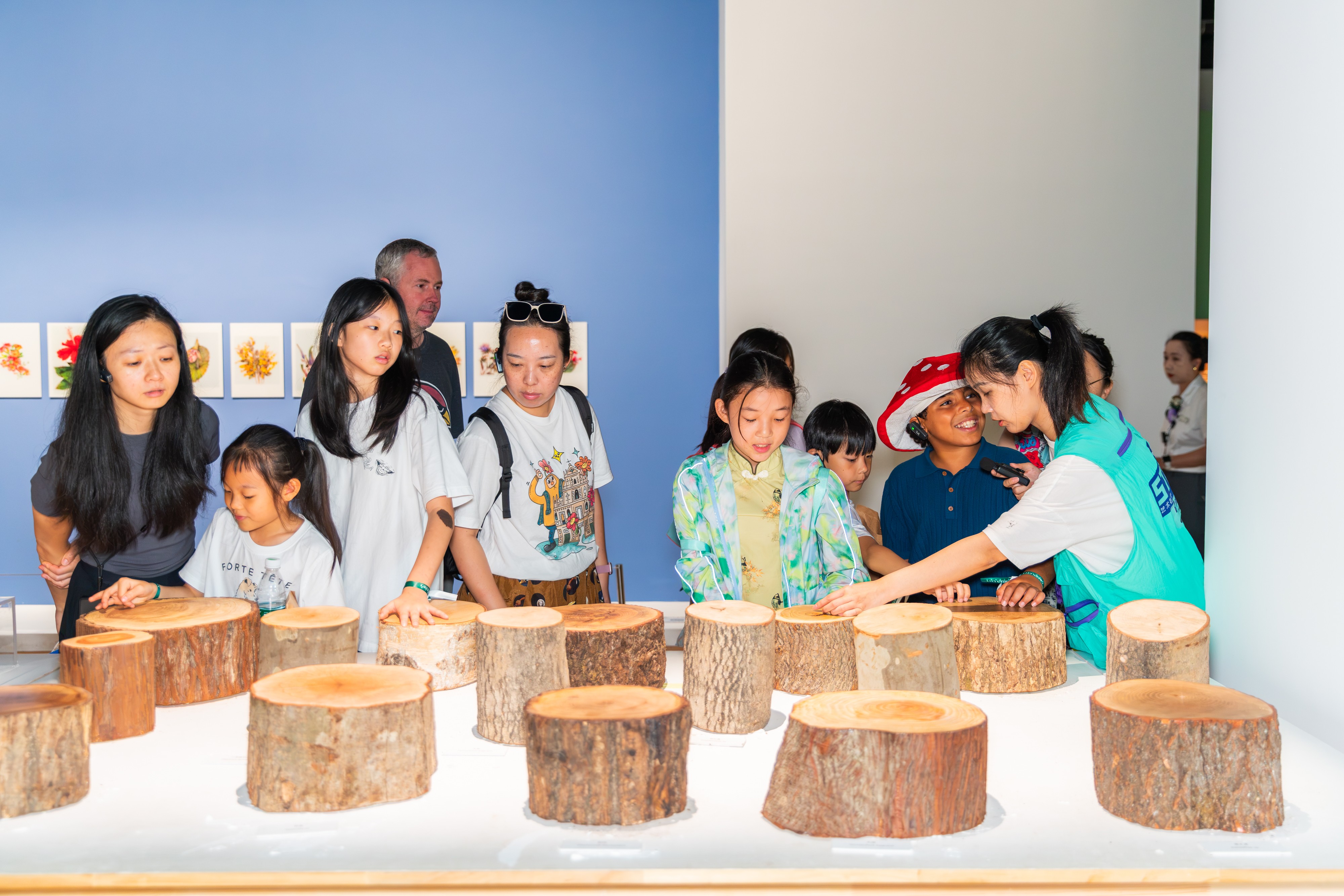
For the former residents who returned on Sunday, the visit was about more than seeing an old community landmark. They also took a guided tour of the museum, including a temporary art exhibition co-organized with the Being Art Museum.
“This polar bear is an emotional symbol shared by generations of residents, carrying memories of childhood, neighbors and the warmth of home,” said Cherry Zhang, deputy general manager of Shanghai Green Court Hotel Management Co., Ltd.
“Wherever people may be today, that bond across nationalities remains. That is what makes Biyun International Community so special.”
For Adnan Ezzarhouni, a French resident of Biyun, it was his first visit to the museum.
“We’re happy to see it again,” he said. “Funny Bear had been in the community for many years. We took lots of photos with it and had many community events around it. Now it’s in the museum, where its story can be remembered and shared with many more people.”
Ryan Anderson, an American resident, said he was glad to see the bear moved to a larger public venue.
“A polar bear is such a magnificent, powerful creature,” he said. “When we first saw it in the clubhouse, it was a little sad to see such a magnificent creature tucked away in a small neighborhood. I think it’s great that it’s now out where so many more people can see it.”
Ezzarhouni’s two sons, Adam and Rayan, joined him on the visit. The boys were particularly drawn to the museum’s dinosaur specimens and casts and said they hoped to see more interactive exhibits in the future.
“Maybe more talking dinosaurs,” Adam suggested.
For the museum, Funny Bear’s story goes beyond a single specimen.
“Its arrival has multiple meanings,” said Zhang Yunfei, director of the Center for Collection Conservation and Research at the Shanghai Science and Technology Museum, which operates the natural history museum.
“It began as a gift marking a business relationship, became a community mascot and is now a public science exhibit. That journey itself offers a vivid lesson in science and the way objects can connect people, communities and history.”
The Shanghai Science and Technology Museum regularly welcomes donations of natural history, science and technology, and astronomy-related collections from China and abroad. Interested donors can contact the museum at cpzj@sstm.org.cn.