From environmental protection to bridging the digital divide for seniors and mental health support, a number of social organizations topped out in the 2026 Shanghai Social Organization Public Welfare Innovation and Entrepreneurship Competition and were awarded at the east branch of Shanghai Library on Wednesday.
The annual event serves as a comprehensive platform for incubation, empowerment, demonstration and exchange of innovative public welfare practices. This year's competition drew 631 participating teams from across China, marking a 38.1 percent year-on-year increase and reflecting robust momentum in social innovation and grassroots philanthropy, according to the Shanghai Civil Affairs Bureau.
Focused on high-quality development of social organizations, the competition categorized entries into five major tracks such as cultural promotion and international public welfare cooperation. Livelihood-related projects accounted for 58.5 percent of all submissions, covering elderly care, disability assistance, child welfare, community services and support for vulnerable groups.
A newly added track for international cooperation highlights Shanghai social organizations' growing global engagement. The event also encouraged the integration of big data, artificial intelligence, new media and digital tools to enhance the efficiency, influence and innovative diversity of public welfare services.
After expert evaluation, two teams claimed gold awards.
The competition continued to empower urban governance through youth innovation. It encouraged participation from grassroots social organizations, volunteer groups and young innovators, highlighting small-scale yet high-impact community projects. University teams formed the largest participant group, with 280 entries from 68 universities nationwide.
Emerging social needs including community integration, bridging the digital divide for seniors, migrant population services and mental health support dominated youth-led projects, demonstrating flexible, community-centered solutions. The competition has grown into a key practice platform for young people to engage in social governance. Organizers also prioritized projects that boost employment, vocational training and career development for disadvantaged groups.

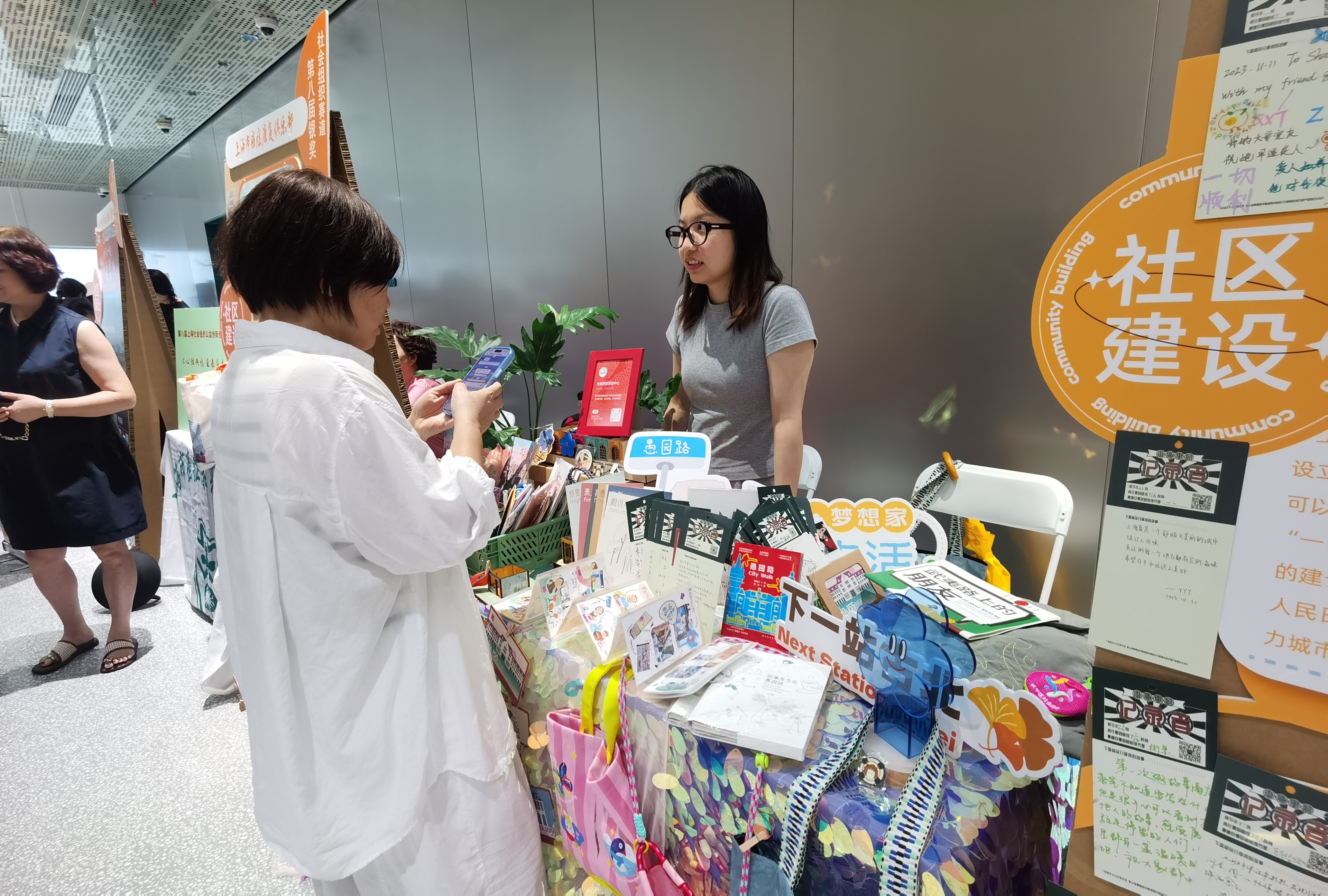
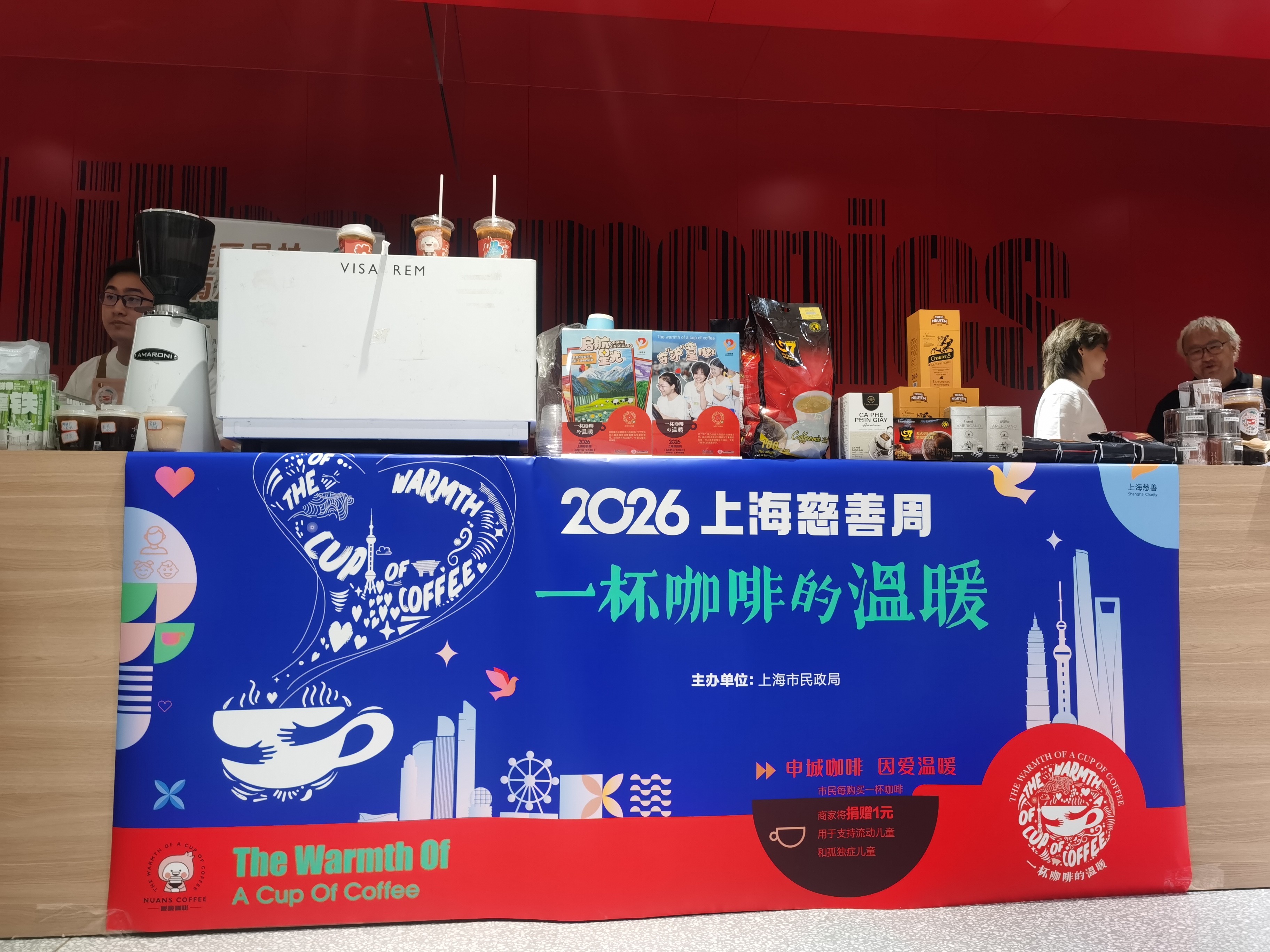
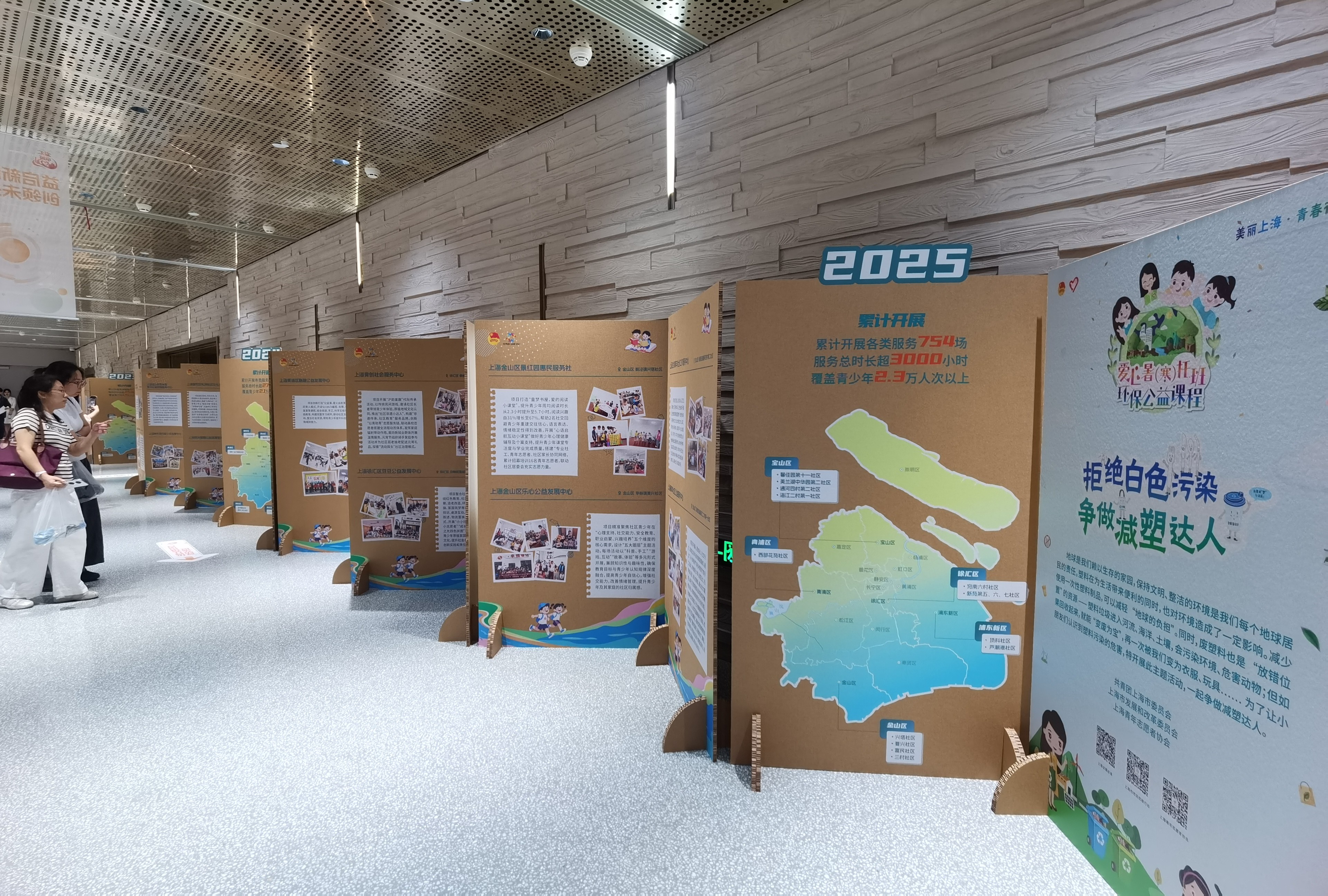
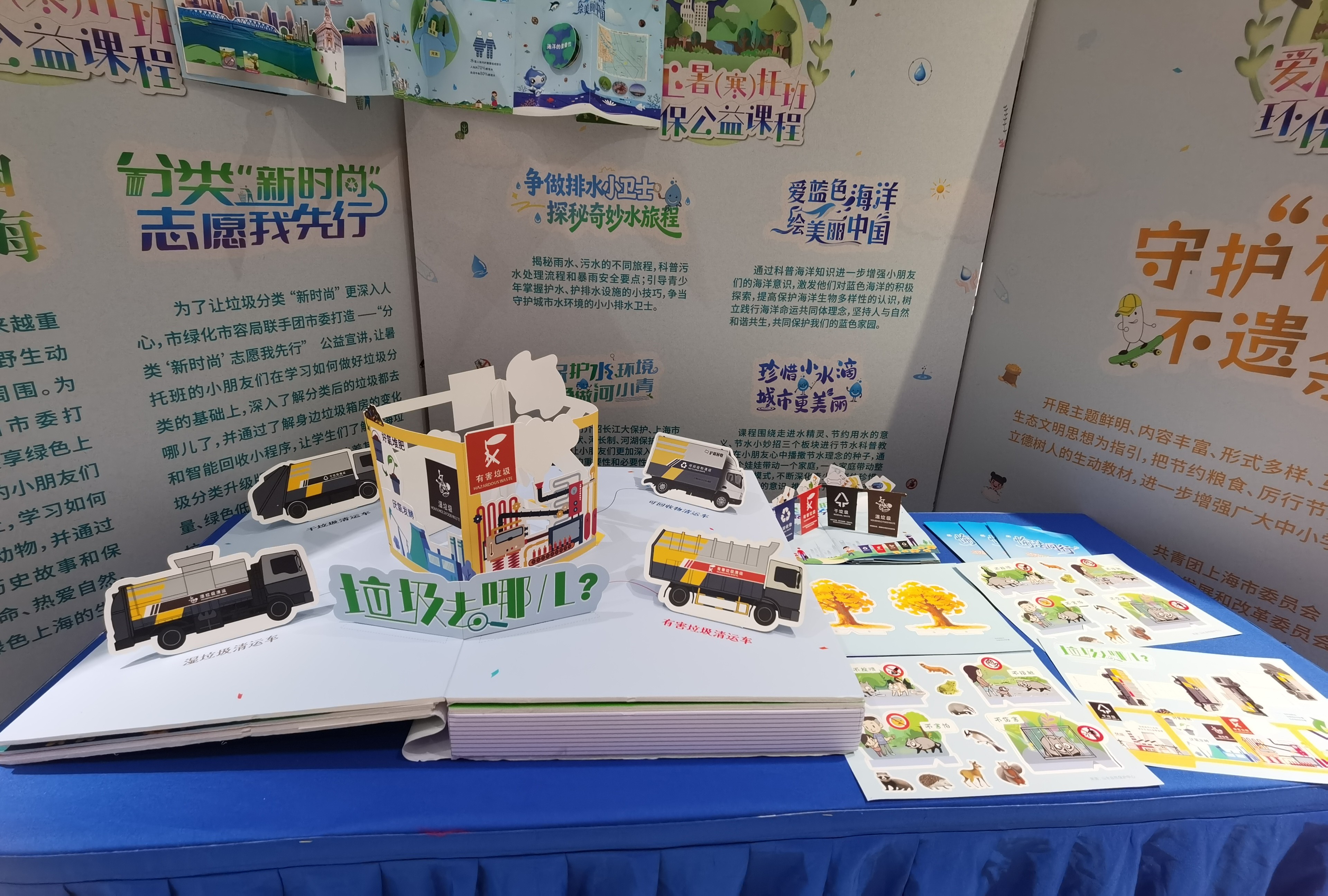
An on-site exhibition displayed mature social organization practices, student creative projects and cross-industry public welfare initiatives. The booth of Shanghai Youth Homeland showcased signature social governance brands co-launched by the Communist Youth League and local youth social organizations.
Since its launch in 2019, the competition has attracted 2,729 teams from more than 80 cities and 150 universities nationwide, serving approximately 1.5 million residents. It continues to fuel innovative, community-driven solutions for megacity governance in Shanghai.