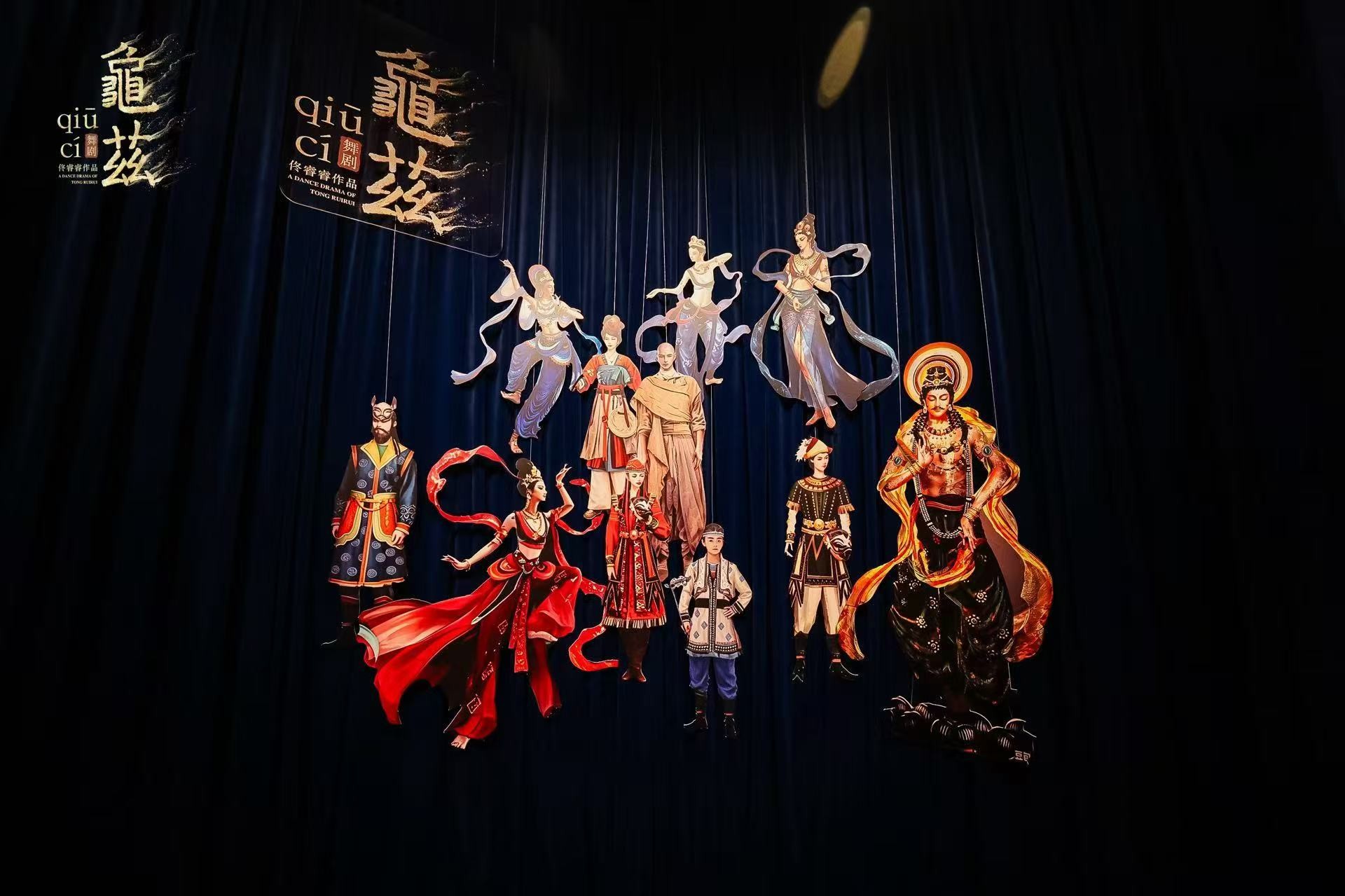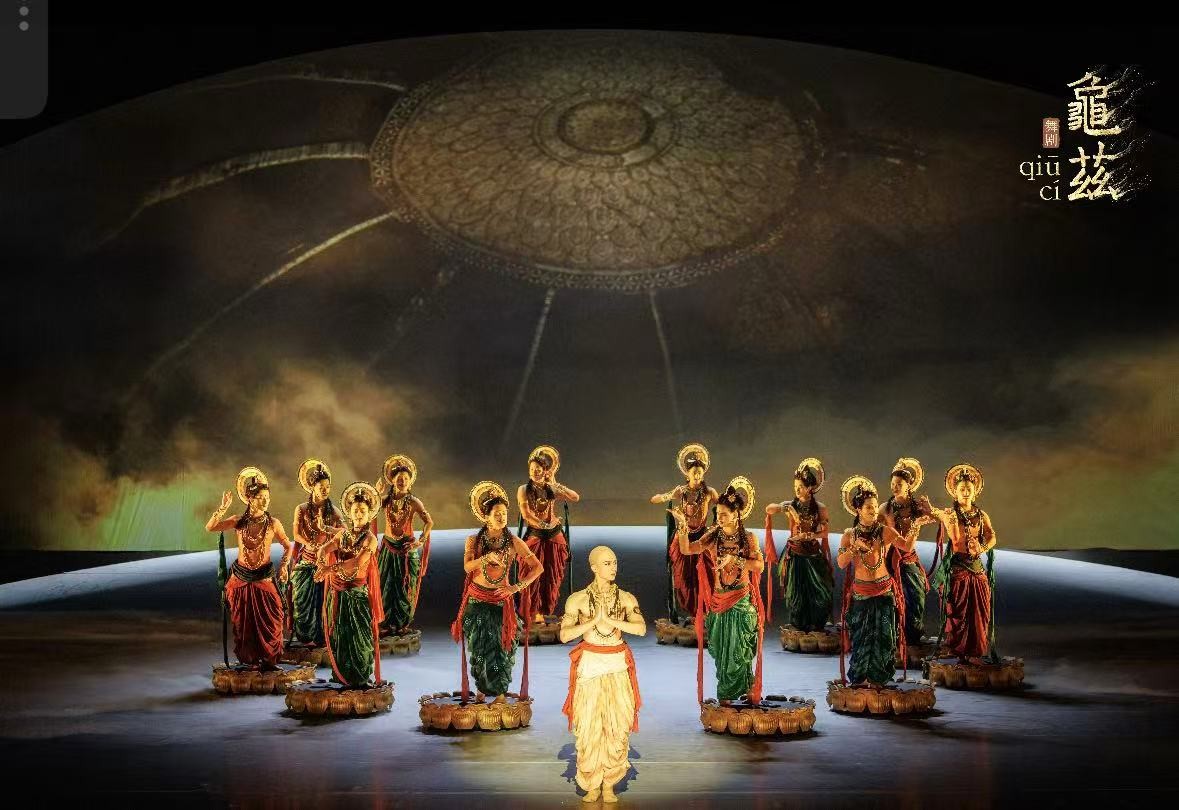
Recently, the "Millennium Kucha · Symbiotic All Things" – Dance Drama Kucha Cultural IP Long-Term Operation and Commercial Value Exploration (Shanghai) Exchange Meeting was held in Shanghai. Hosted by Xinjiang Cultural Tourism Investment Group Co., Ltd., the event brought together government representatives for Xinjiang aid, capital investment institutions, academic experts, leading consumer brands, and cultural tourism operators. Centered on the Kizil Caves as the foundation of Kucha (pronounced Qiū Cí) Silk Road culture, the meeting explored how performing arts IP can bridge the "culture–capital–industry–consumption" chain and uncover new investment opportunities in Xinjiang's high-quality cultural resources.
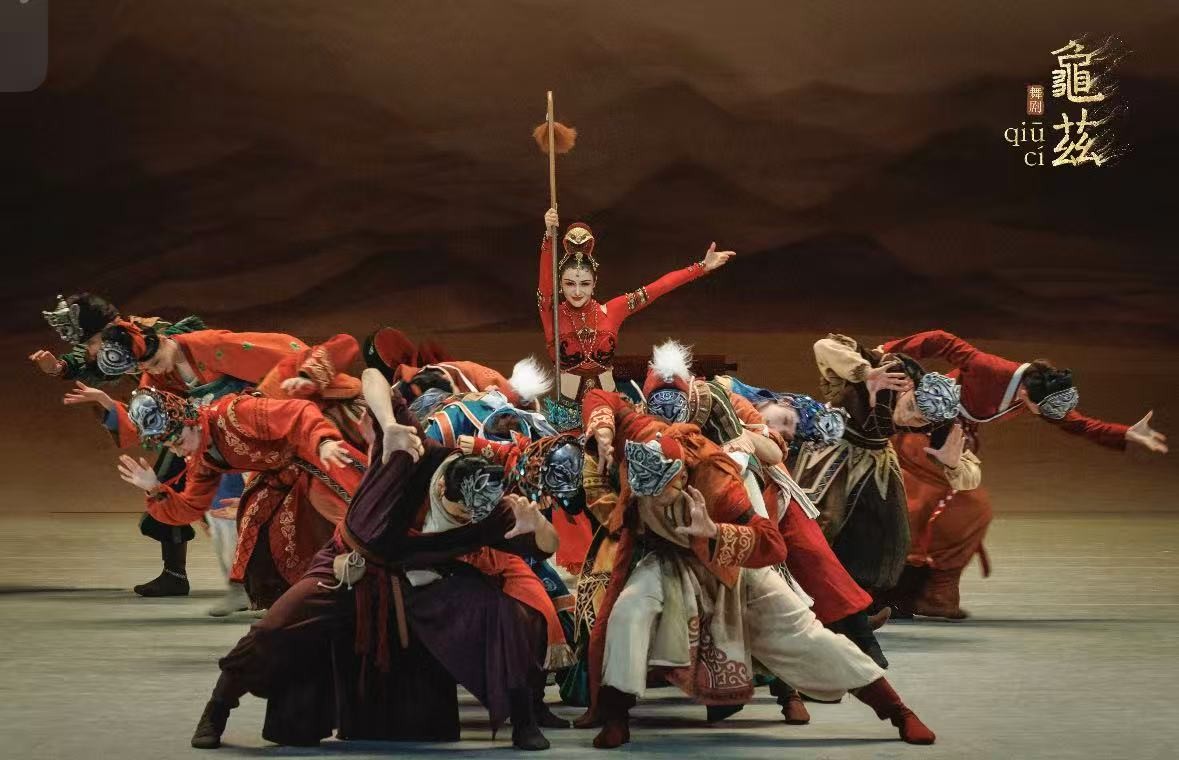
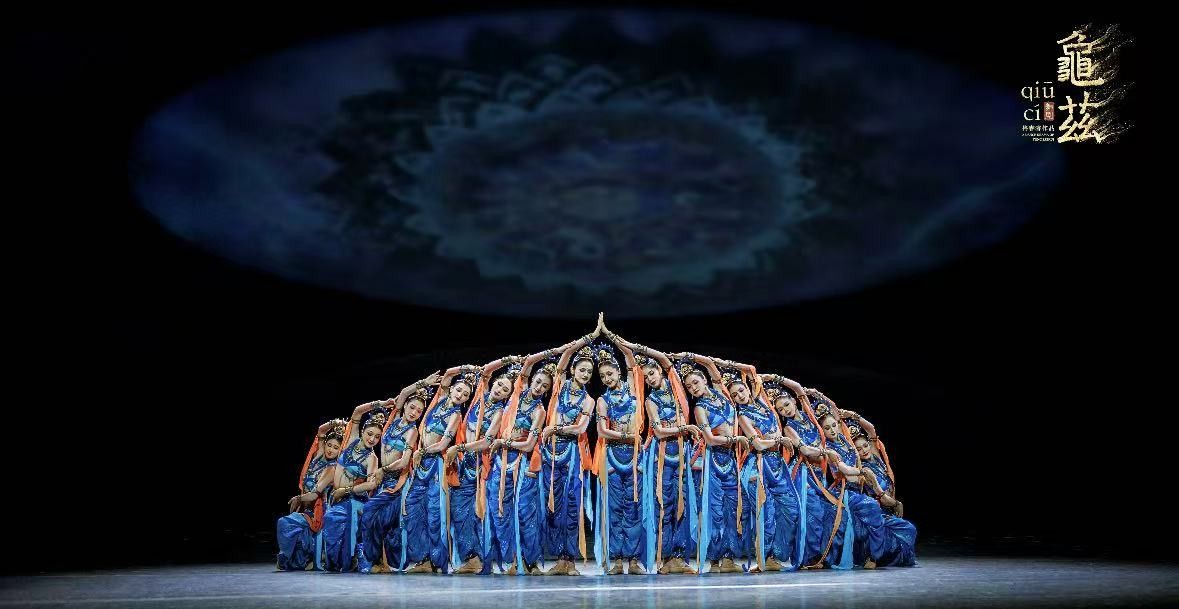
At the event, Wang Hongjiang, Secretary of the Party Committee and Chairman of Xinjiang Cultural Tourism Investment Group Co., Ltd., delivered the opening address. Liu Fang, Director and General Manager of Xinjiang Xinlv Performing Arts & Culture Co., Ltd., shared the artistic and creative core of the dance drama Kucha. Liu Hengjun, Director and General Manager of Xinjiang Wentou Huamai Jinye Cultural Industry Development Co., Ltd., unveiled the Kucha series of cultural and creative derivative products, demonstrating the IP's tangible transformation from stage art to consumer goods.
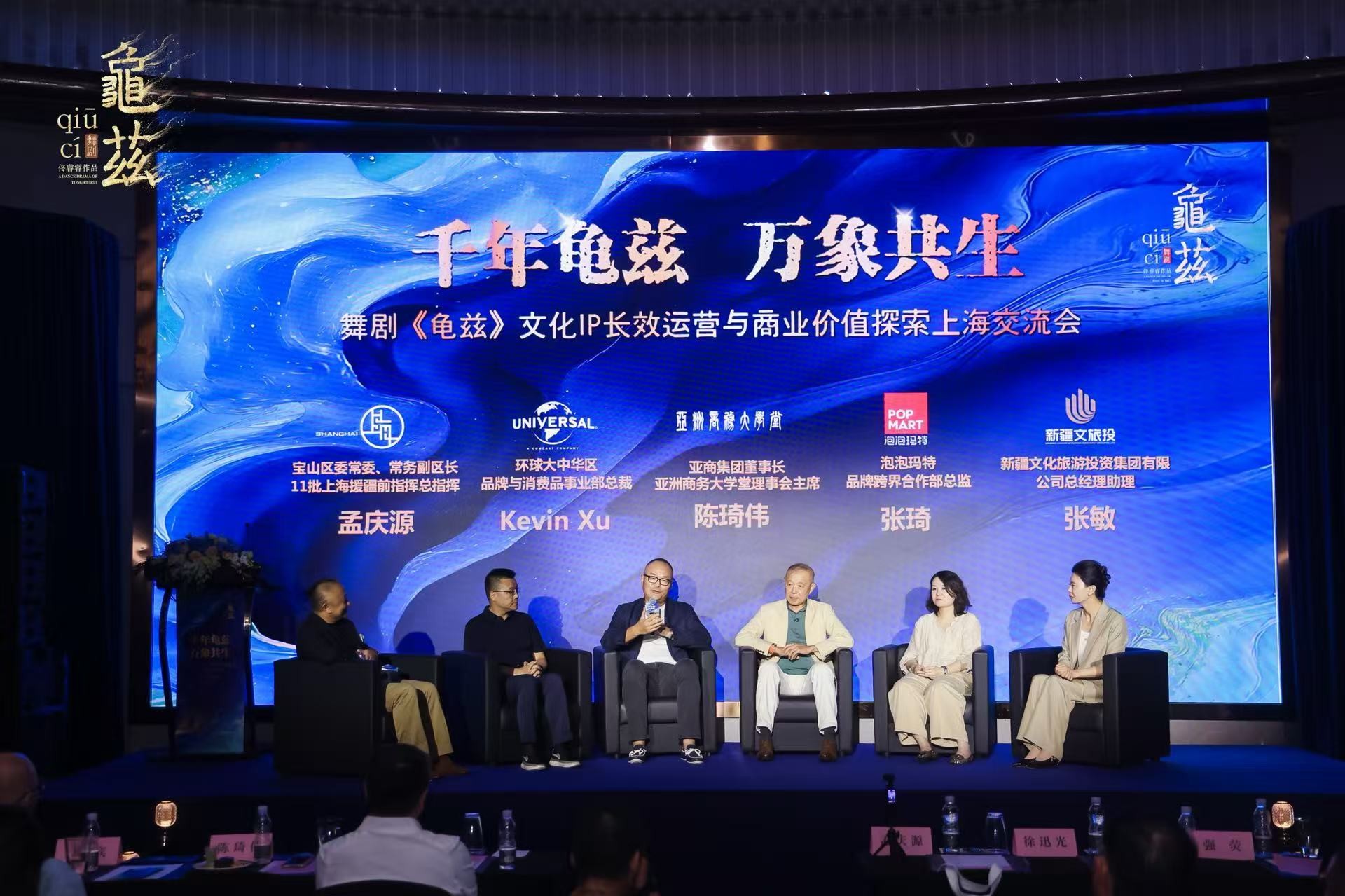
"We are advancing the full-chain IP development in three steps: 'Upholding the Core, Driving Innovation, and Co-creating for Shared Growth,'" said Liu Hangpu, Chairman of Xinjiang Culture Enrichment Industry Development Investment Group Co., Ltd., in an exclusive interview. "The buzz and traffic generated by performances are just the starting point; the cultural essence is the bedrock of an IP's enduring vitality."
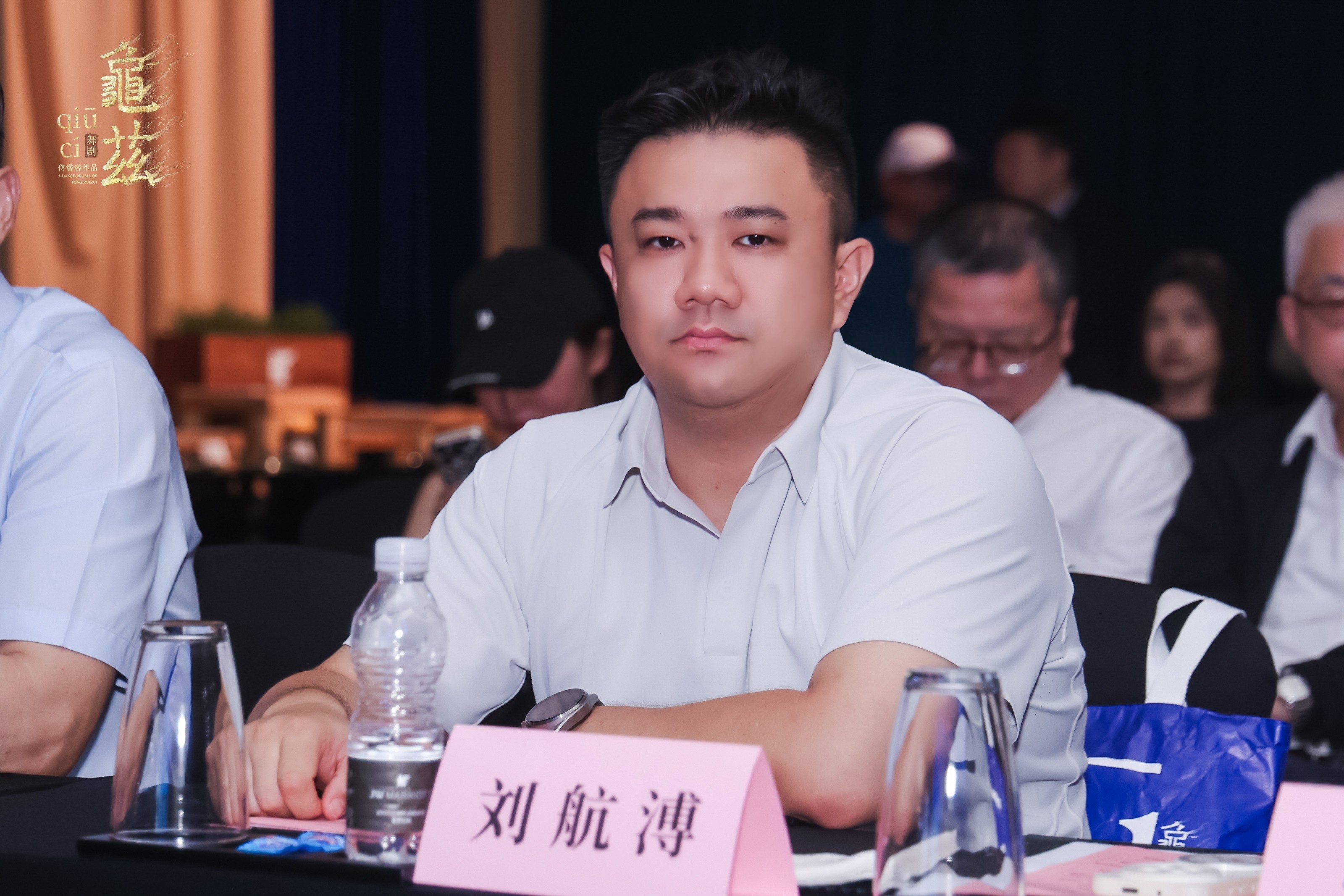
The most anticipated segment of the exchange was the round-table dialogue, featuring five panelists: Meng Qingyuan, Chief Commander of the 11th Shanghai Xinjiang Aid Front Command; Chen Qiwei, Chairman of Yashang Group and Dean of the East China Normal University Yangtze River Delta Financial Technology Research Institute; Kevin Xu, President of the Greater China Consumer Goods Division at a global firm; Zhang Qi, Director of Brand Cross-Business Cooperation at Pop Mart; and Zhang Min, Assistant General Manager of Xinjiang Cultural Tourism Investment Group.
Shanghai–Xinjiang synergy was a key undercurrent of the exchange. Meng Qingyuan, drawing on his practical experience in aiding Xinjiang, elaborated on the value of cross-regional cultural tourism collaboration. He emphasized that high-quality cultural IP must balance social benefits with industrial returns, leveraging Shanghai's market and channel advantages to transform Xinjiang's thousand-year cultural assets into tangible industrial outcomes.
Chen Qiwei, Chairman of Yashang Group, put forward from a capital perspective the core view that "Silk Road cultural IP represents an undervalued asset." He noted that Kucha culture possesses a rare cultural foundation shaped by the convergence of four major civilizations, endowing it with a distinct scarcity that sets it apart from ordinary Chinese-style IP. However, such state-owned cultural tourism IP generally faces challenges including high upfront investment, long return cycles, and difficulties in building sustainable business models. Capital involvement, he argued, is not merely about providing funding but more importantly about contributing industrial operation capabilities, consumer market insights, and resource integration expertise to help cultural IP establish a viable commercial loop. He also suggested that the Yangtze River Delta, with its abundant industrial capital and vast consumer market, could serve as a two-way bridge with Xinjiang, enabling the deep connection of Xinjiang's dormant cultural assets with Yangtze River Delta capital and consumer industry resources for mutual empowerment.
Industry representatives from the global firm and Pop Mart shared insights from the perspectives of IP licensing and the trendy toy consumer market, discussing how dance drama IP can break beyond theatrical boundaries and tap into opportunities in brand collaborations, digital cultural creations, trendy toy derivatives, and cultural tourism itineraries.
As the operating entity behind the dance drama Kucha IP, Zhang Min, representing Xinjiang Cultural Tourism Investment Group, responded to the panelists' views and outlined the group's follow-up IP strategy. Targeting the Yangtze River Delta market, the Group sent a clear signal of cooperation: it welcomes capital, brands, and institutions from the region to participate in the full-chain development of the Kucha IP, exploring market-oriented innovation pathways for state-owned cultural tourism IP under the framework of "cultural enrichment of Xinjiang," with the goal of achieving win-win outcomes in cultural dissemination, industrial development, and commercial returns.
It is understood that the dance drama Kucha draws inspiration from the mural art of the Kizil Caves, which were carved approximately 200 years earlier than the Dunhuang Mogao Caves and stand as a treasure of multicultural fusion along the Silk Road. Through contemporary dance, the production brings the thousand-year-old cave civilization to life. This Shanghai exchange meeting was designed to take a single stage production as a starting point, transcending the limitations of a one-off performance to explore a long-term operational model that evolves cultural resources from stage works into IP assets and full-industry-chain development.
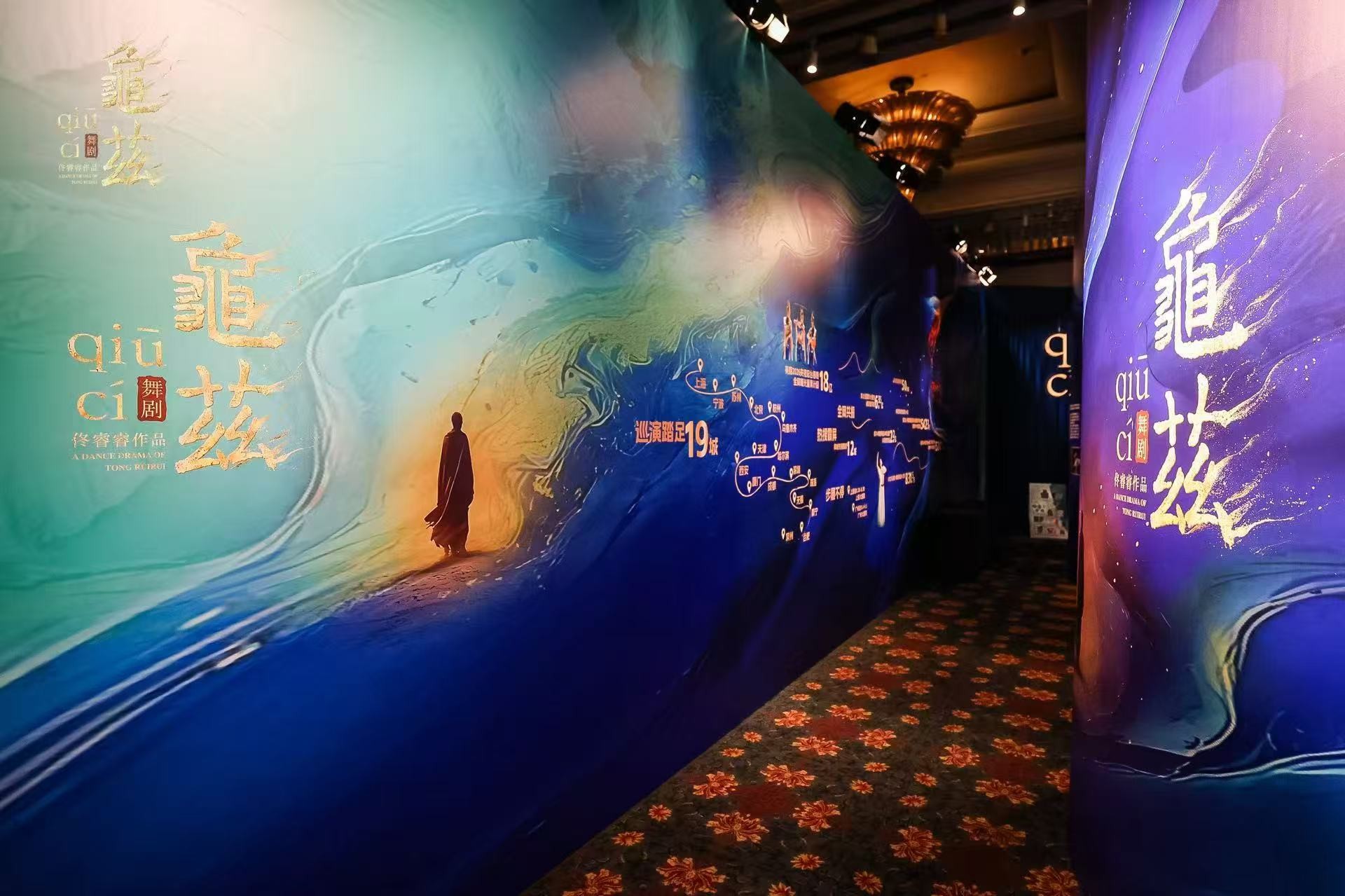
Following the exchange meeting, a free networking reception was held, where participating government and enterprise representatives, investment institutions, and brands engaged in one-on-one discussions, laying the groundwork for future Shanghai–Xinjiang cooperation in cultural IP investment, cultural and creative product development, and cultural tourism co-construction.