As the world marks World Heart Day on September 29, cardiovascular diseases remain the globe’s leading killer, no longer confined to elderly populations. The global health community advocates full-cycle cardiac health management, balancing disease treatment, post-operative rehabilitation and humanistic care for heart patients.
In response to this global call, Shanghai Yida Hospital launched a full-day academic programme on September 28 to celebrate its fifth anniversary, rolling out landmark cardiac innovation platforms and projects.
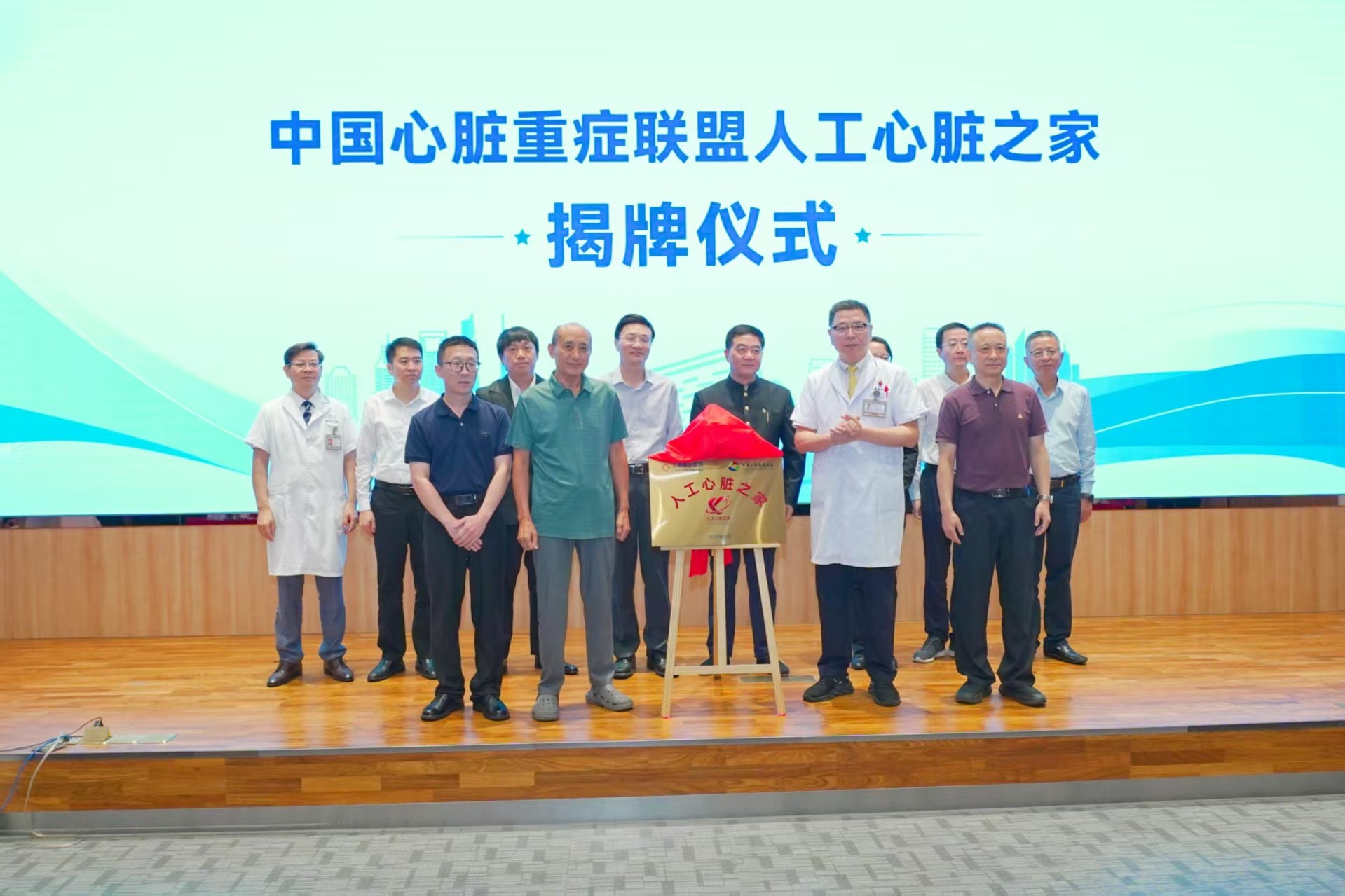
The Shanghai University Medicine-Engineering Cross Innovation Forum witnessed the inauguration of four major innovation platforms. The launch roster includes the Smart Healthcare Application Research and Demonstration Center, the open-sourcing of Yida Medical Large Language Model, the Chinese Cardiac Critical Care Alliance · Artificial Heart Home, and the Institute of Ultrasound Medicine of Shanghai University School of Medicine, alongside expert appointments.
The forum adopted an innovation framework: “clinical practice raises questions, research solves problems, and industry delivers solutions”. The four platforms each serve distinct goals: the smart healthcare centre tests AI-assisted diagnosis, intelligent quality control, 5G telemedicine and digital rehabilitation follow-up; the open-source vertical medical LLM lowers the barrier for healthcare institutions to deploy AI; the ultrasound institute advances high-end ultrasound equipment and interventional ultrasound translation; and the Artificial Heart Home addresses gaps in long-term post-surgery management for patients with end-stage heart failure.
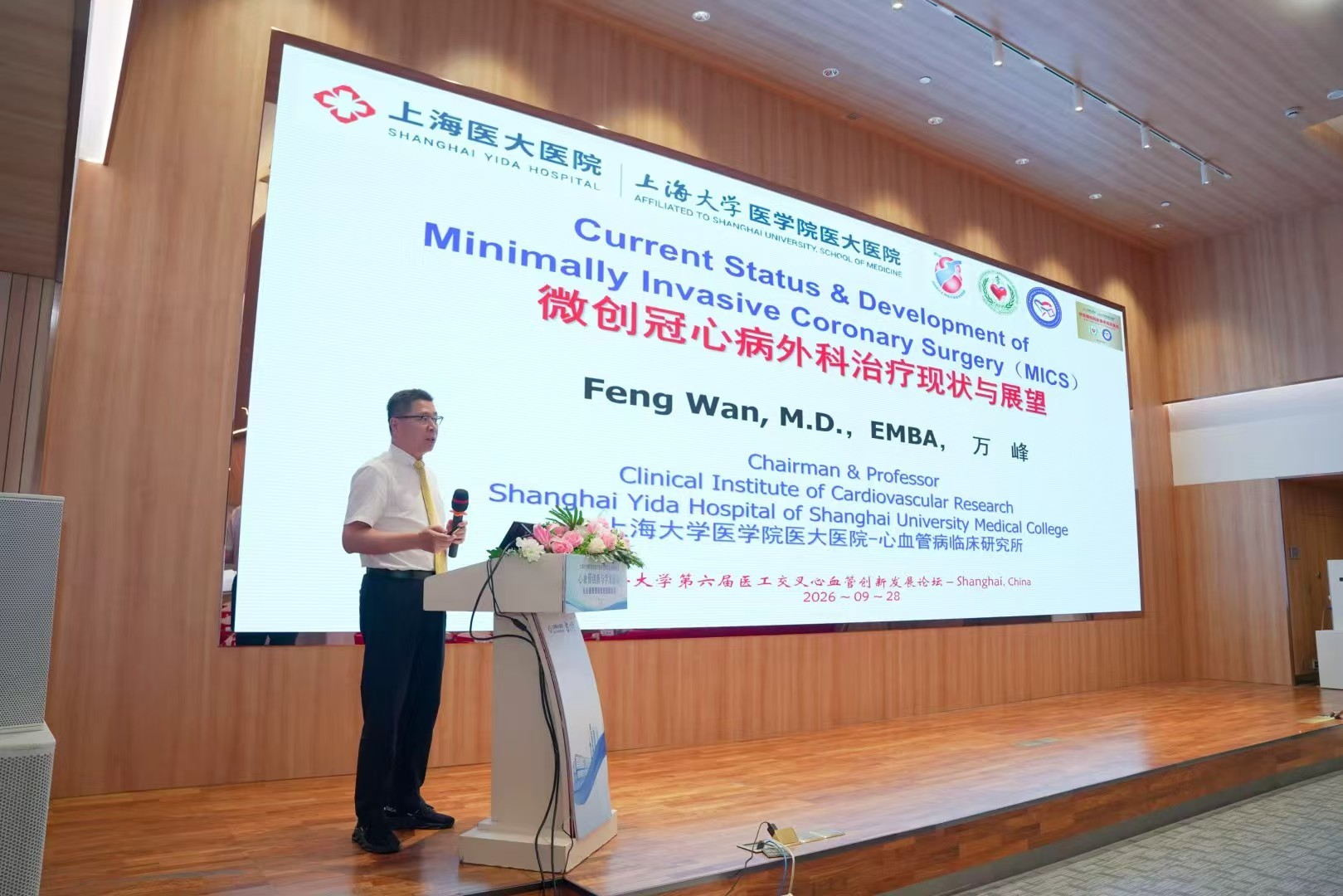
As a highlight, the 2026 Cardiovascular Innovation and Academic Forum opened, with the official launch of the Minimally Invasive Coronary Hybrid Cooperation Project.
“The treatment of severe heart disease does not end on the operating table. Patients’ quality of life, mental wellbeing and social reintegration are equally important,” said Professor Wan Feng at the opening ceremony. “Artificial Heart Home builds a bridge linking medical teams, patients and charity organisations. This aligns perfectly with World Heart Day’s philosophy of life-long heart health.”
Charity representatives were present to set up support channels for disadvantaged patients with severe heart failure. Experts from leading hospitals and top institutions gathered to discuss atrial cardiomyopathy, LVAD management and one-stop hybrid surgery, exploring personalised treatment for high-risk complex cardiovascular cases.
As one of the hospital’s eight key medical centres, Yida’s Heart Center brings together cardiac surgery, cardiology, thoracic surgery and interventional services to deliver one-stop cardiovascular care. Its multidisciplinary team regularly holds MDT consultations, with strengths in heart transplantation, artificial heart implantation, complex aortic surgery and arrhythmia interventions. Over five years, the centre has obtained national certifications including the National Heart Failure Center and the National Quality Star. It has built multiple research and training bases, such as the simulation training base for artificial heart and heart failure technology under the Chinese Society of Cardiothoracic Surgeons.
Beyond hospital-based treatment, the center extends heart disease prevention to local communities. It has built the “Anxin Home” patient platform and formed a heart failure alliance with community health centres, sending specialists to deliver free screenings and health lectures to shift prevention upstream. The centre has also earned multiple charity awards through programmes including the “Heartbeat Project” and “Angel Journey” for congenital heart disease screening.
Backed by the Cardiovascular Clinical Research Institute of Shanghai University School of Medicine, the Heart Center fosters an integrated ecosystem of clinical care, education, research and industrial translation. It hosts national continuing medical education programmes and shares clinical experience to upgrade cardiac services across the Yangtze River Delta.
The hospital’s cardiology team pledged to strengthen its MDT model and leverage platforms including Artificial Heart Home and the hybrid coronary programme. It will advance full-cycle cardiac care covering prevention, diagnosis, surgery and long-term follow-up, while boosting public health education, to deliver high-quality, compassionate cardiovascular services for patients in Qingpu, Shanghai and the broader Yangtze River Delta.