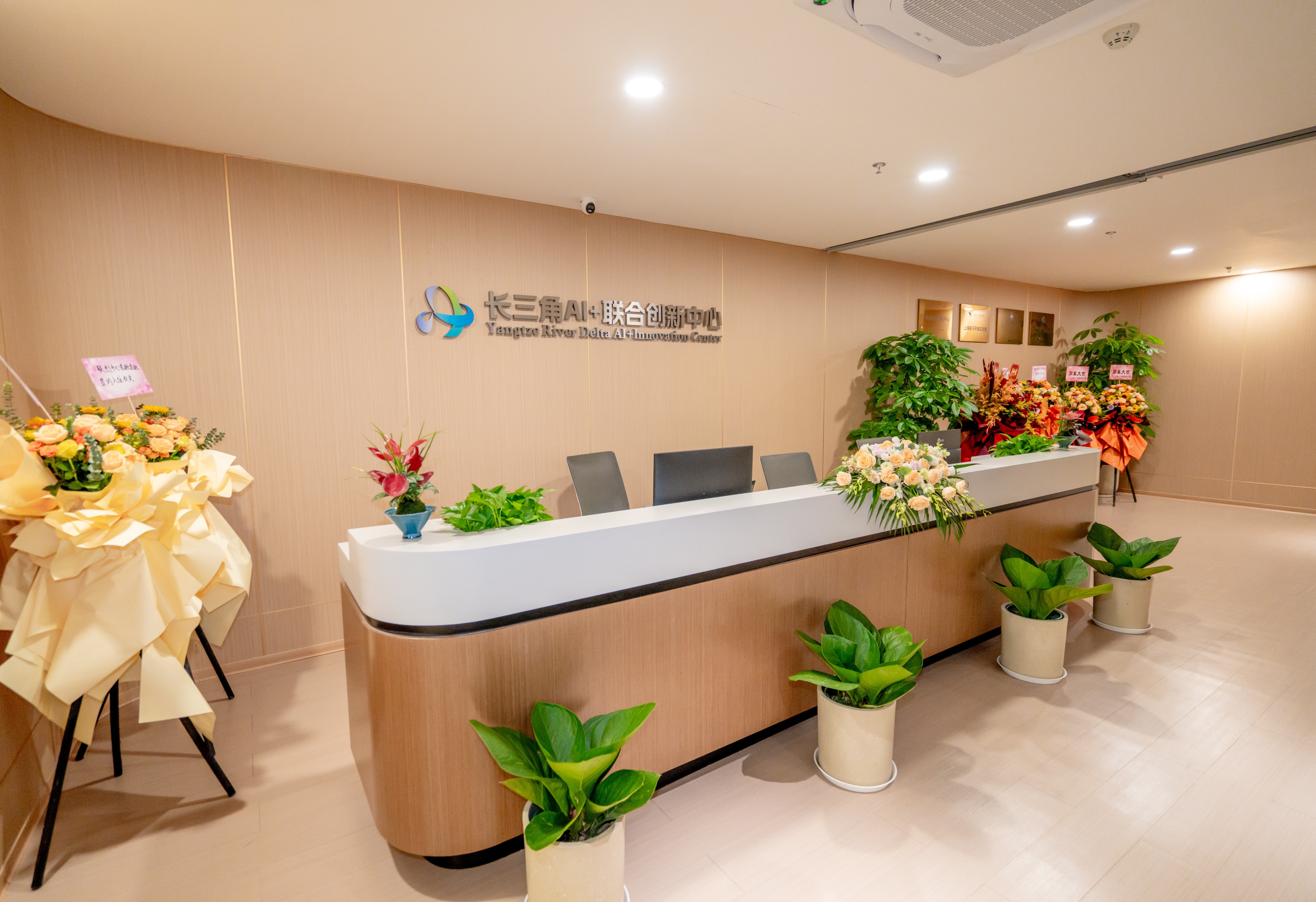
The Yangtze River Delta AI+ Innovation Center welcomed its first batch of settled enterprises at a signing ceremony in Qingpu District on Tuesday, marking a new phase of cross-regional technological and industrial collaboration in the Yangtze River Delta Ecology and Greenery Integration Demonstration Zone.
A total of 16 enterprises joined the center. The region's first Token industrial operation platform was launched alongside two newly unveiled innovation labs, the Shanghai Smart Home Appliances Innovation Lab and the Shanghai Kunpeng Ecosystem Innovation Center.
Built jointly by Qingpu District and Huawei, the Yangtze River Delta AI+ Joint Innovation Center opened on July 27. After two months of trial operation, the center launched enterprise settlement and ecological expansion.
The newly activated Token industrial operation platform, constructed and operated by China Telecom, is Shanghai's first district-level Token service hub. It will later manage the region's first batch of Ascend 950DT chips deployed across the Yangtze River Delta region.
Adopting an innovative "front store and back factory" model, the platform integrates five major service supermarkets covering applications, data, computing power, AI models and technical skills. It delivers one-stop intelligent computing services for enterprises and supports round-the-clock professional operation and maintenance, effectively lowering corporate AI application costs.
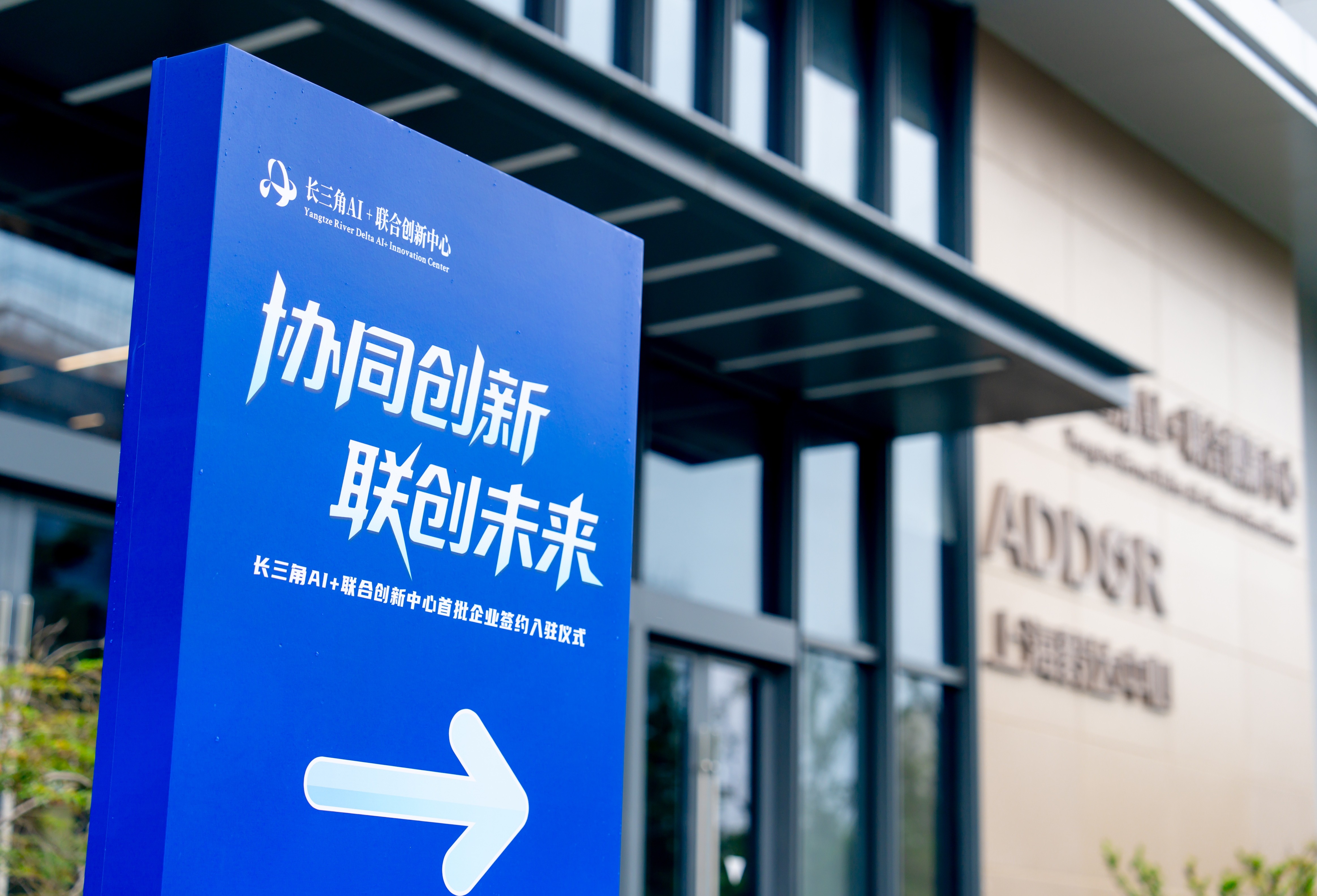
Two flagship innovation labs were inaugurated during the event. The Shanghai Smart Home Appliances Innovation Lab, the first of its kind in the Yangtze River Delta, will leverage SparkLink open ecosystems to formulate industry standards, conduct technical verification and accelerate commercial transformation for intelligent home technologies.
The Shanghai Kunpeng Ecosystem Innovation Center, the city's exclusive hub for Huawei computing ecosystem adaptation and expansion, will strengthen domestic computing power development and industrial optimization across the delta region.
Qingpu authorities signed a strategic cooperation agreement with Huawei during the ceremony to deepen collaboration in digital transformation, industrial upgrading and innovation ecosystem building.
Wang Ping, Party Secretary of Qingpu District, emphasized the center's strategic role in boosting Qingpu's development as a regional innovation hub. He outlined three core directions including strengthening original technological innovation based on Huawei's foundational technologies, amplifying industrial spillover effect across new information technology, advanced manufacturing and modern logistics sectors, and building an open collaborative platform for industry, academia and research exchanges across the Yangtze River Delta.
To empower high-end technological research and industrial decision-making, the center established a future innovation think tank, recruiting 10 distinguished experts from Fudan University, Shanghai Jiao Tong University, investment institutions, and leading tech enterprises. Experts will support technical breakthroughs, scenario matching and achievement transformation in AI manufacturing, urban governance and healthcare sectors.