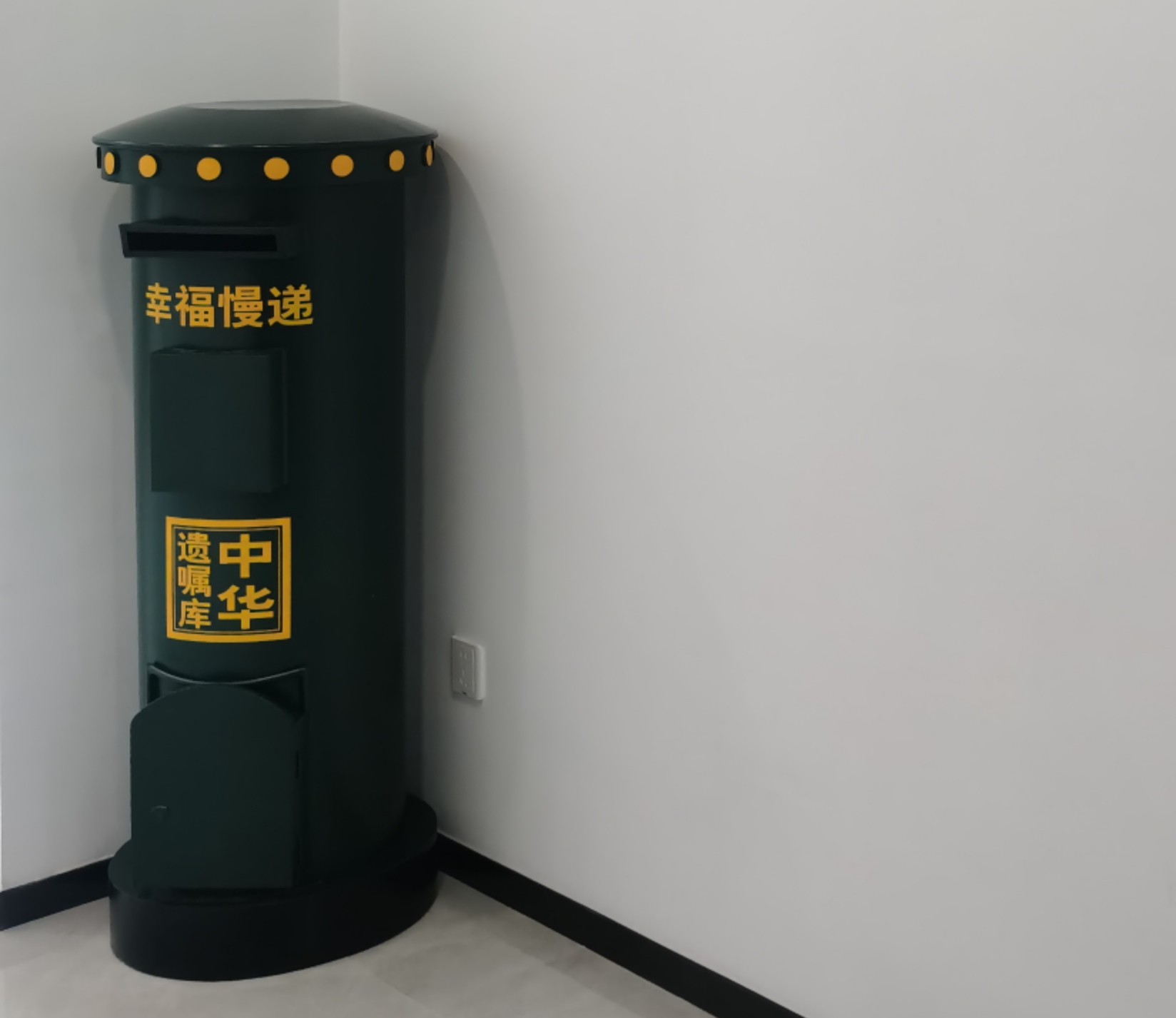
As more elderly residents live alone or have adult children residing overseas, Shanghai is rolling out improved legal mechanisms to help seniors secure reliable care, medical decision-making and asset protection in their later years.
A newly issued municipal guideline on voluntary adult guardianship allows seniors to legally designate trusted caregivers — whether relatives, friends or professional caretakers — to make medical choices and manage personal affairs if they lose capacity. Combined with legally registered will services, the dual system resolves long-standing worries for empty-nest, solitary and cross-border families.
The Huangpu Service Branch of China Will Registration Center said it received a large number of residents who have come for consultations recently.
While learning about will registration, many elderly people are eager to understand designated guardianship. Some seniors previously had misunderstandings, believing verbal entrustment or privately drafted agreements would suffice to arrange their later lives. After consultations with staff, they recognize the hidden legal risks and opt for advance planning.
For many aging residents in Shanghai, the traditional family-based elder care model no longer applies, according to the China Will Registration Center.
Some have lost spouses or only have children living abroad. Others have no close relatives nearby. Without accessible kin, seniors face critical uncertainties: who signs emergency medical forms, who manages their property, and how to ensure their final assets are distributed fairly according to their true wishes.
Many elderly people previously relied on verbal promises or handwritten private agreements to arrange future care and inheritance. Legal professionals warn these informal arrangements carry major risks. Oral commitments cannot be verified afterward. Unofficial guardian agreements are frequently rejected by hospitals, banks and government departments, leaving seniors without enforceable protection, according to the center.
Registered services at the center offer standardized, third-party witnessed procedures, combining formal guardianship agreements and archived wills to eliminate legal loopholes and prevent future disputes.

Cross-border families assign local guardians for aging security
Many Shanghai seniors have children who have immigrated overseas and cannot respond quickly during medical emergencies.
An 82-year-old widowed Shanghai woman whose only daughter holds Canadian citizenship has depended on her niece for daily care and hospital visits for years. Uncertain about future decision-making and inheritance fairness, the senior formally appointed her niece as legal **guardian through official voluntary guardianship procedures at the Huangpu Service Branch of China Will Registration Center. In her registered will, she designated her apartment for her daughter while leaving other assets to her niece in recognition of long-term daily care.
"The arrangement solves two core challenges for cross-border elderly families," said Huang Haibo, director of the Huangpu Service Branch of China Will Registration Center. "Overseas children retain inheritance rights, while local trustworthy caregivers obtain legal authority to handle urgent medical and property matters."
Solitary seniors legally reward dedicated non-relative caregivers
The new legal structure also supports childless and widowed seniors with no reliable family support.
A childless elderly widow with distant estranged step-relatives chose her nursing home director as legal guardian and designated nearly one million yuan in assets to him through a registered will, acknowledging years of dedicated daily care. Without official third-party documentation, large non-relative bequests often face severe legal challenges and family disputes. Professional archiving and witnessed registration greatly strengthen legal validity and credibility in judicial reviews.
Shifting mindset: from posthumous division to lifelong risk management
Industry observers note public awareness is rapidly changing. Elderly planning is no longer limited simply to asset distribution after death. It has evolved into comprehensive lifelong risk governance.
Voluntary guardianship covers seniors' living, medical treatment and property management during incapacitation, while wills clarify posthumous asset allocation. Together, they form a complete protection system for vulnerable senior groups in rapidly aging urban areas.
To meet rising demand, the China Will Registration Center has expanded services in Shanghai, offering public consultations, professional witnessing and long-term archiving for seniors living alone, cross-border families and vulnerable elderly groups.
"True urban civilization is reflected in how society safeguards seniors without reliable family support," Huang said. "Legal planning allows every elderly resident to age with dignity, certainty and reliable lifelong protection."